Foresta in Biesenthal
the beginnings
Project description
We envision building a small house primarily to host residencies, as a sister site / thinking and experimentation partner of our lifescapes project for regenerative practice in northern Spain. While the site in Asturias is more rural and land-based, the one in Biesenthal will function as a more accessible, year-round node for reflection, exchange and practice (such as research, writing, gardening, occasional small workshops).
The house is conceived not just as a place to live, but as a small-scale residency space for artistic, ecological, and research-based practices. It will host individuals or small groups from such fields as arts, architecture, agriculture, ecology, and education. The scale should remain intimate and calm: 1-4 people for periods from a few days up to 2 months.
The idea is for this site to be able to be financially self-sustaining, which means that whenever not used for cultural work it will be rented out for slow-tourism-related stays.
The area around the building(s) will be populated by plants, growing towards a forest garden. Additional construction such as a toolshed is therefore envisioned as well.
Place
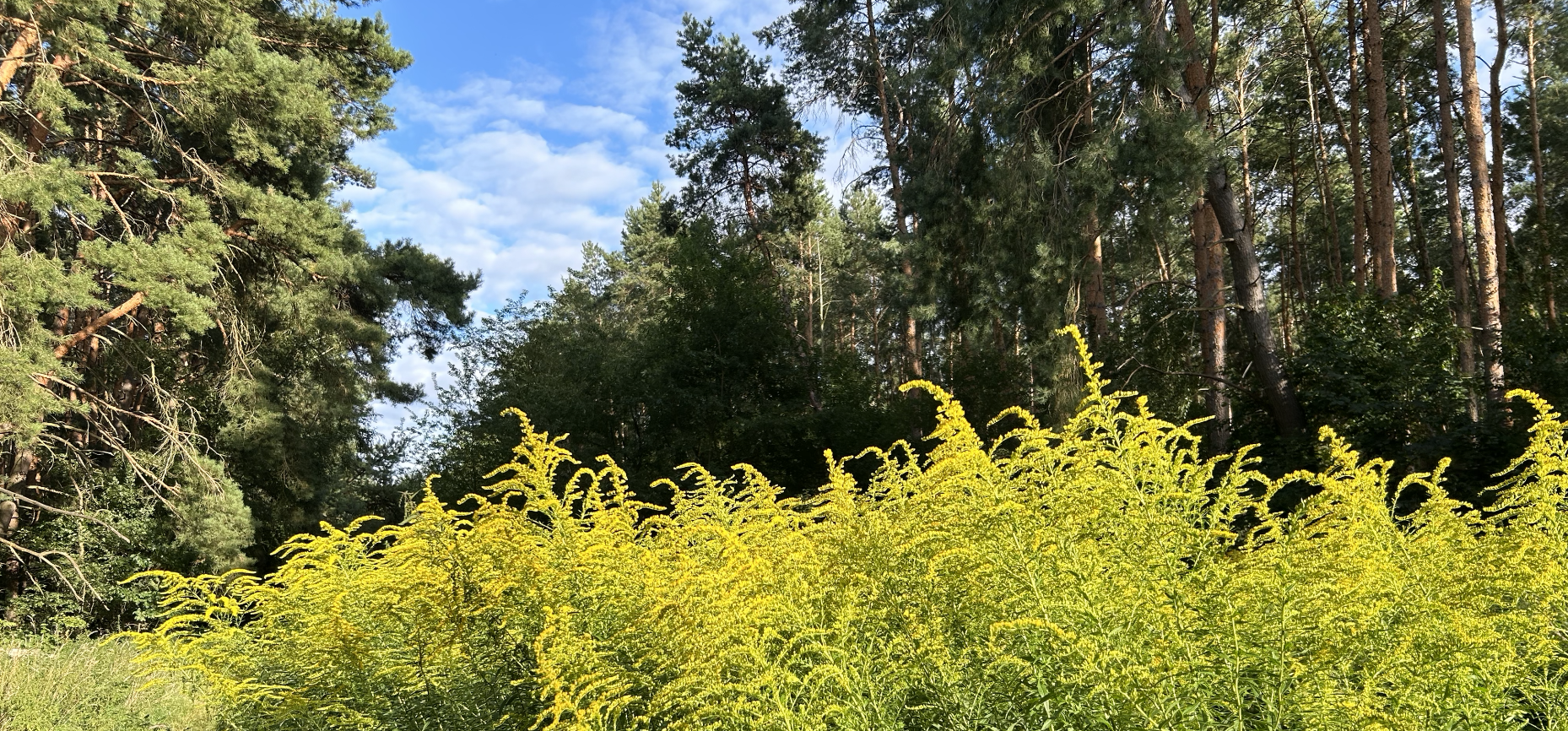
975m2 terrain is located in Biesenthal, north of Berlin (20 km from the city border), on Schwanenweg 8a. It’s the last buildable piece of land on this side of the town, on the edge of the field and the forest.
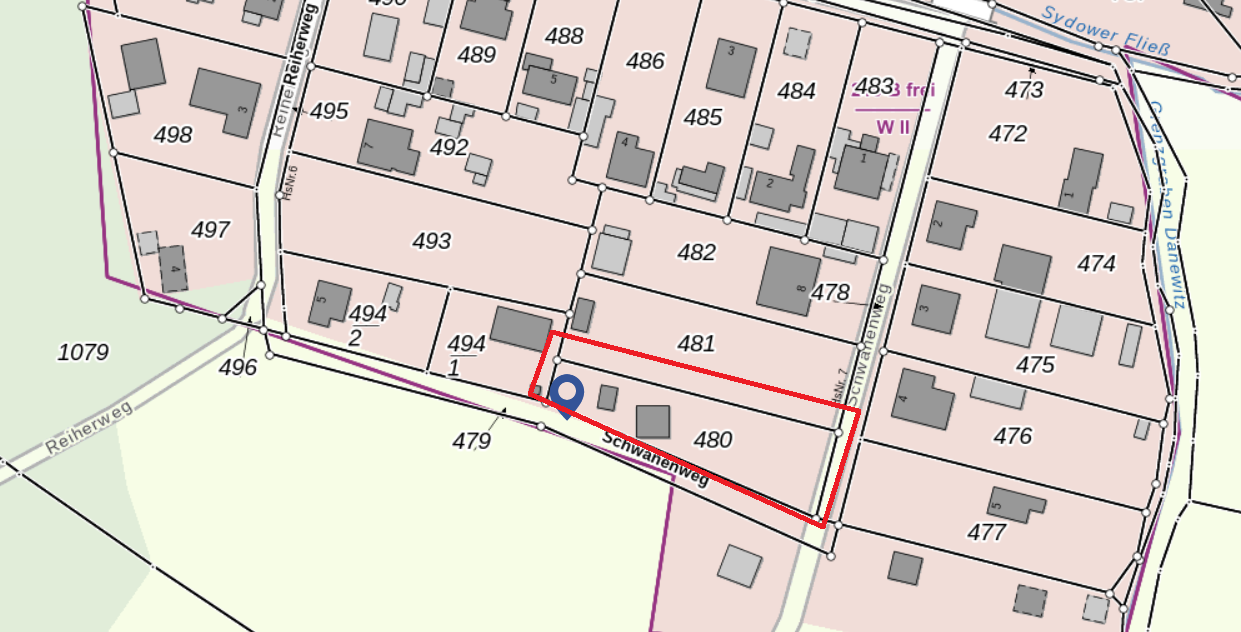
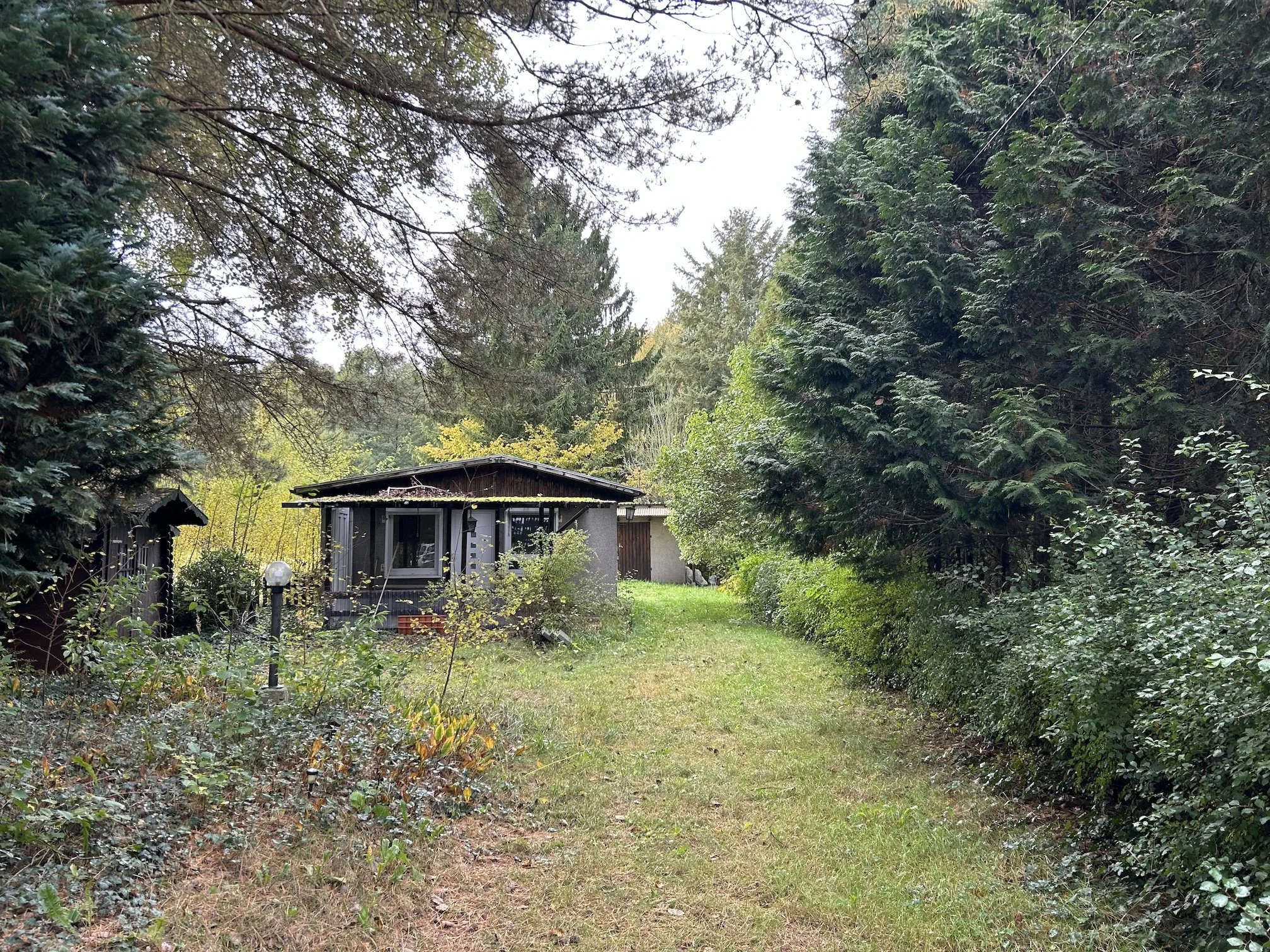
There is an existing 40 m2 GDR bungalow, built in the 1970s, as well as a garage and a small tool shed. We have already started dismantling some of these structures - built largely from synthetic and low-grade materials typical of GDR-era prefab construction - their removal is both a practical necessity and a clearing of the ground, literally and conceptually, before construction begins.
Concept & style
The concept and strategies for this project are conceived in alignment with what we’ve been learning about regenerative architecture during the past 2 years with different thinkers and practitioners as part of our video book and residencies at Foresta in northern Spain.
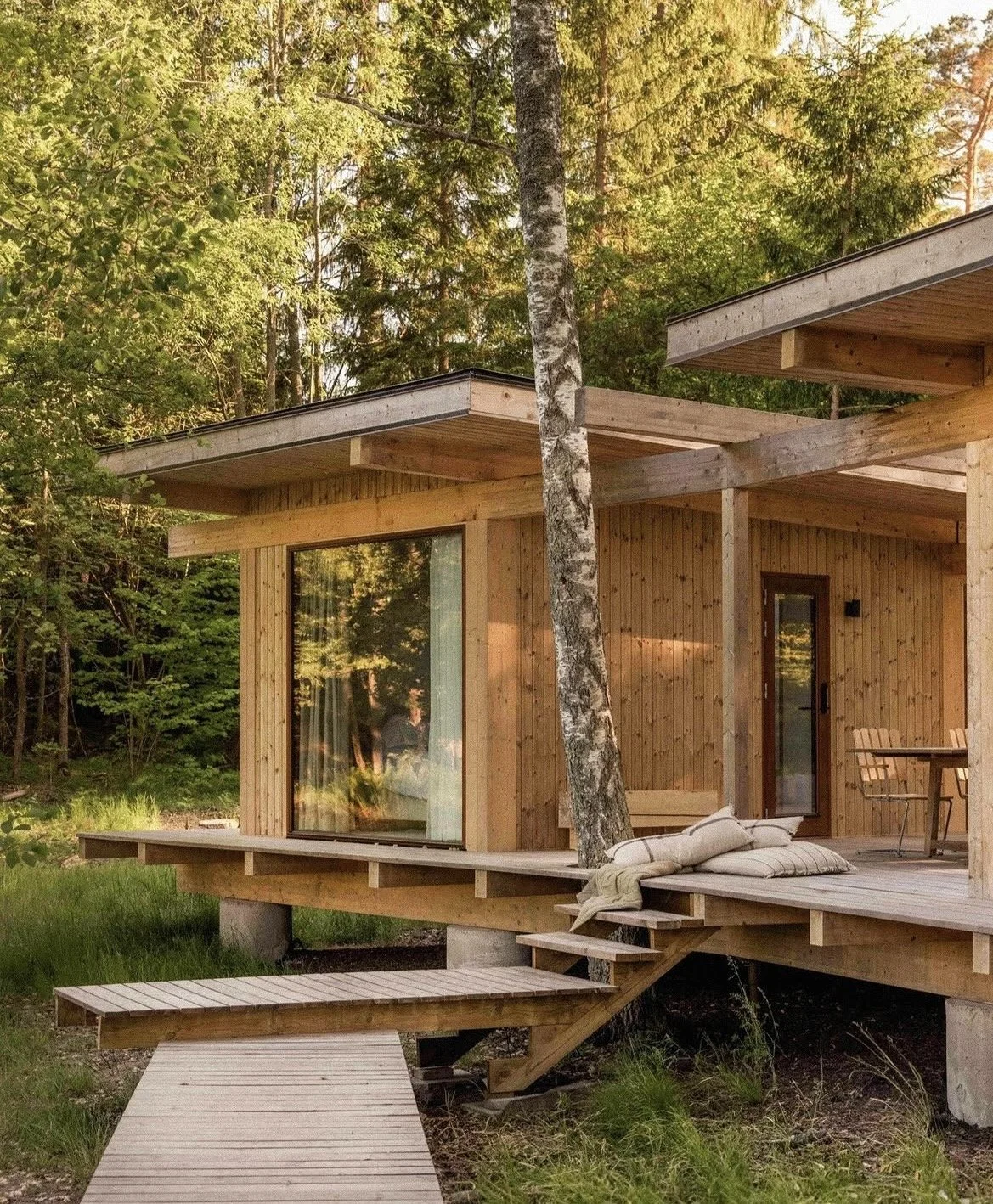
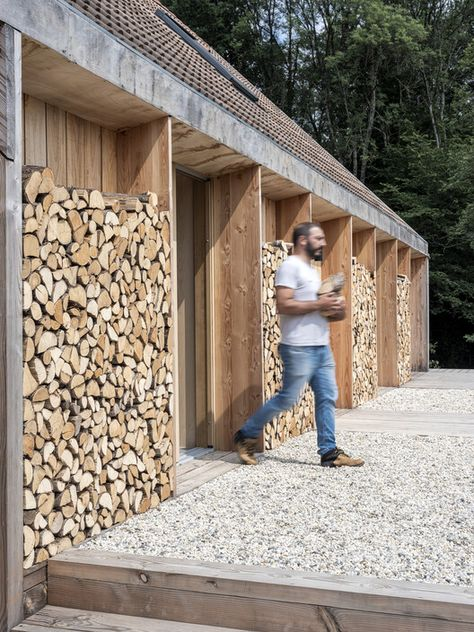
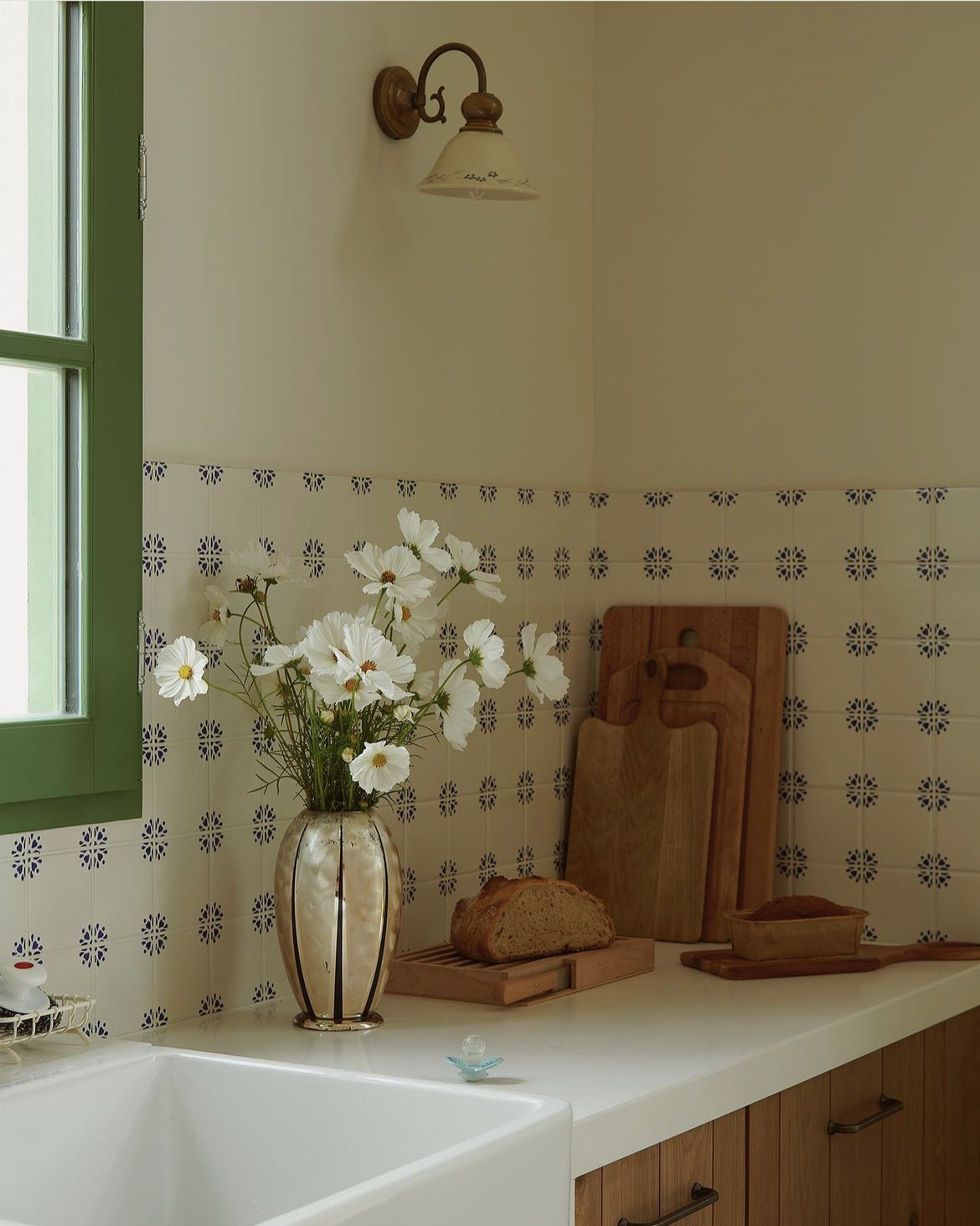
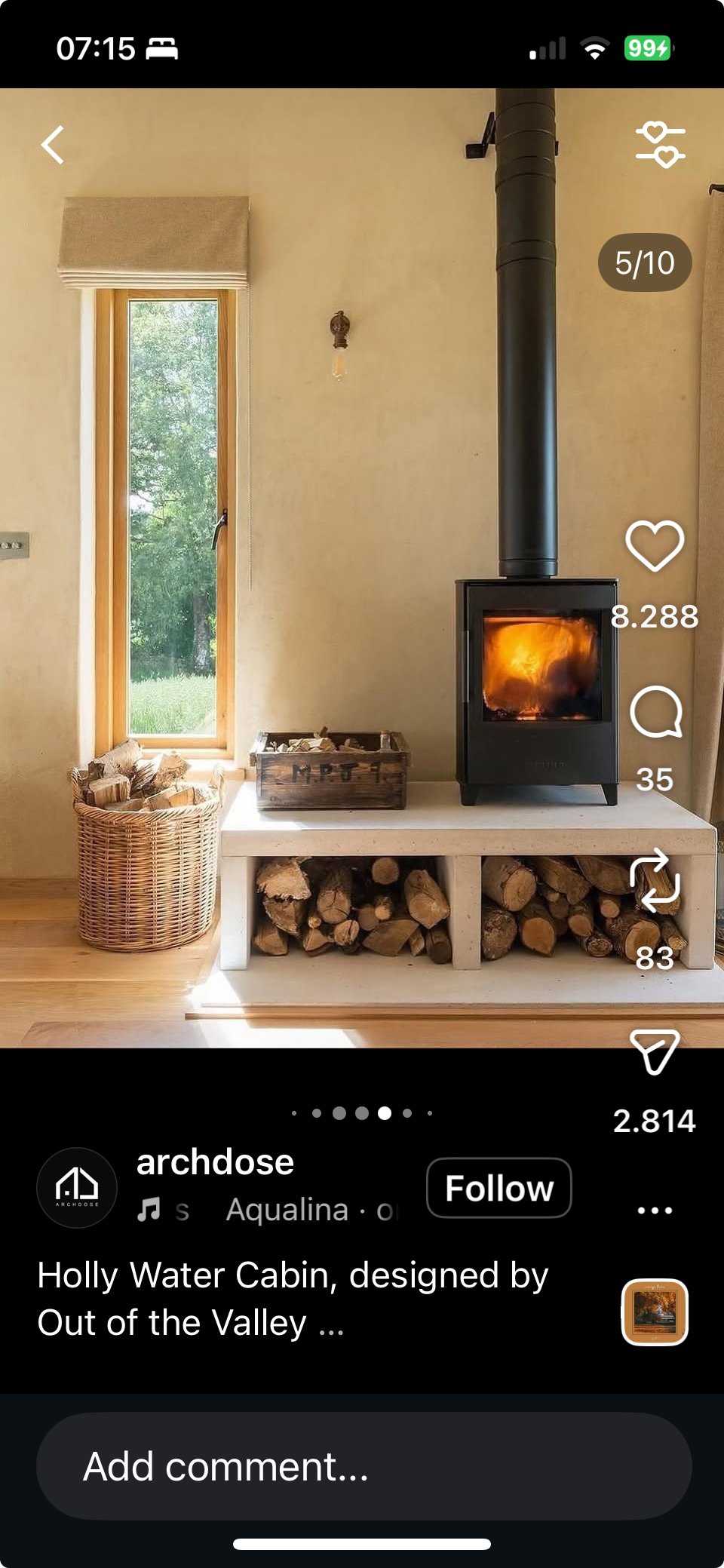
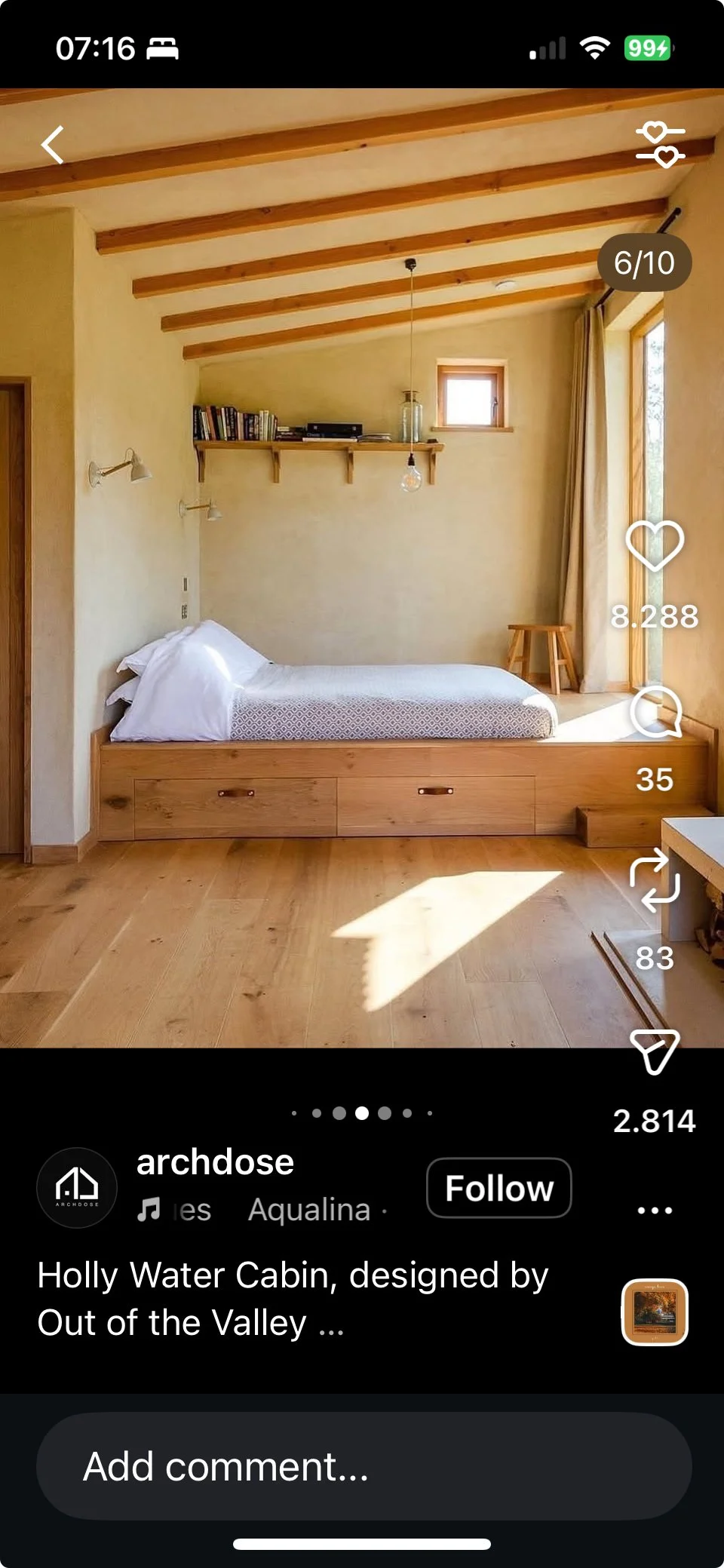
The new building should stay small, around 60 m2 of usable space. We tend to prefer the minimalist style, while working with quality materials and a strong flow between inside and outside. We also are very interested in animal-aided-design or generally a more conscious multispecies approach to building. Some collected images from instagram to align on aesthetics:
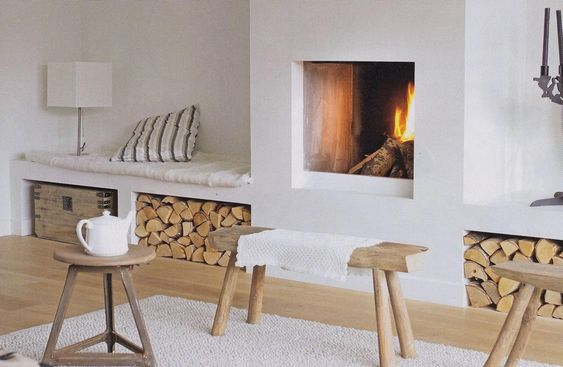
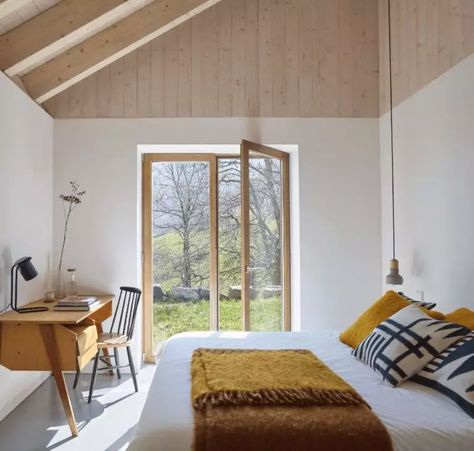
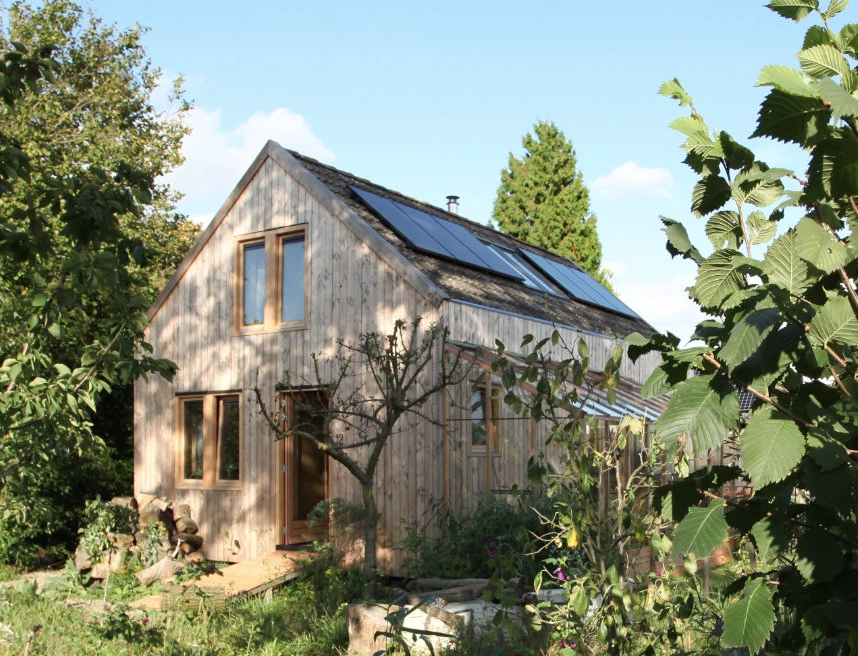
Materials
Our wish is to primarily build with bioregional and natural materials. We did some research in Biesenthal and are also in conversation with some potential builders and local producers. So far we’ve settled on wood, rammed earth, and potentially straw/reed, as main materials to build with.
Energy
Year-round use of the site is intended, including winter. That said, we are open to intelligent strategies that balance seasonal use and adaptivity with reduced technical complexity.
Budget
To be defined. The project will most probably be self-financed, so we are in a cost-conscious situation. Sticking to essentials, without nice-to-have’s, at the same time whenever possible also without compromises on commitments. Depending on what is realistically feasible we are also planning a partial self-building.
Timeline
Submitting a project to Bauamt could happen towards the end of summer/beginning of autumn, and the beginning of construction is planned for spring 2027.
Construction process
Whenever possible legally and insurance-wise, we would welcome participatory process, workshops, and co-building. We’d like to hear from the architect whether (and if yes how) they plan to be involved in the construction process.
Donec id justo non metus auctor commodo ut quis enim. Mauris fringilla dolor vel condimentum imperdiet.