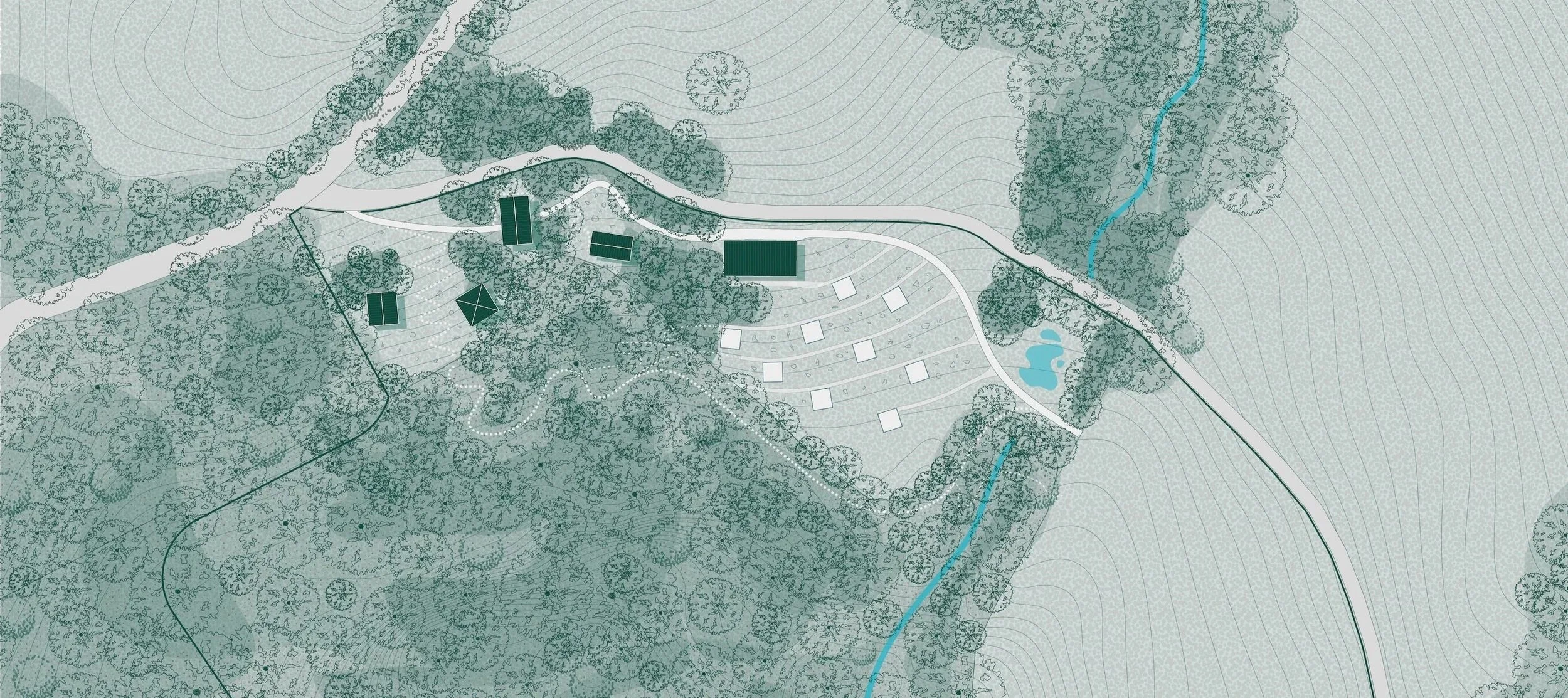
Foresta on the land is a young metabolic body in becoming, contained within a larger organism of a forest garden. This page expresses our vision for co-habiting this ecosystem of a forest through and with our various projects. The space for each project becomes a metaphorical emerging sense or even an organ, a vital function within this organism. Together they form a spatial cosmology for restoring relations.
Spaces we envision to build or grow at Foresta emerge from the needs of each concrete project, intention or inquiry. So far we have built one structure - an agropoetic pavilion - to begin hosting formats as well as store some basic land care tools. Below are the first approximate or symbolic visualisations for further structures, installations and elements we envision at Foresta on the land. For more research on regenerative architecture and philosophy around spatial practice at Foresta visit Architecture(s) of Connection.
Convivial Learning Space
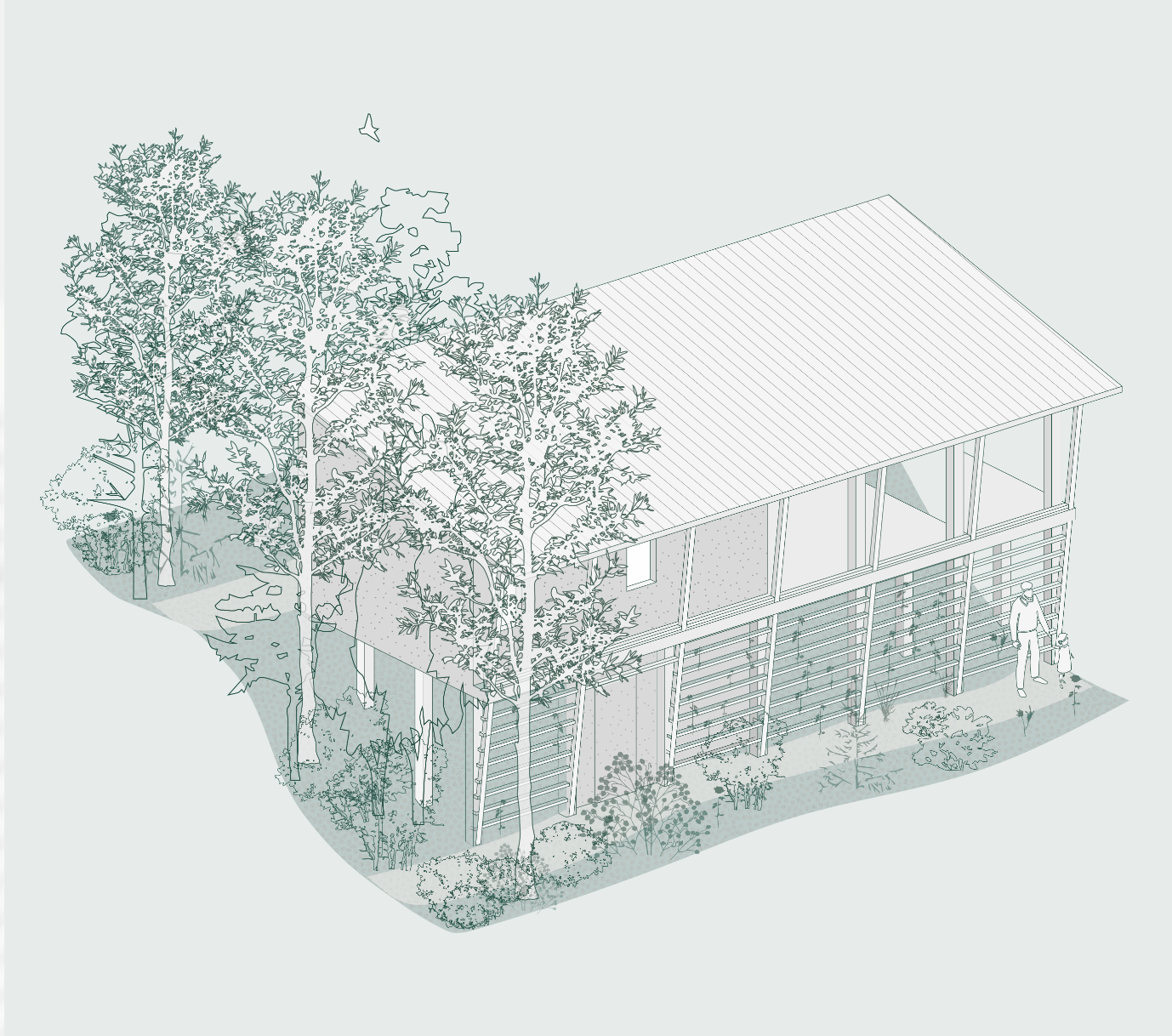
Convivial Learning Space responds to the needs of Foresta Seasonal Academy and Foresta Kids formats, offering places to stay for the Seasonal Academy’s as well as children’s and family formats participants, and also for artists in residence who come to participate in one of the circles within Foresta. It also includes collective spaces for togetherness, indoor learning facilities and an atelier.
Food Lab
Food Lab is at the heart of edible experimentation within the forest garden, and the inquiry into more respectful and playful sustenance. It includes a kitchen, ingredient transformation facilities, collective dining space, as well as all the necessary land care infrastructure, such as toolshed, greenhouse, animal pavilion.
Guest House
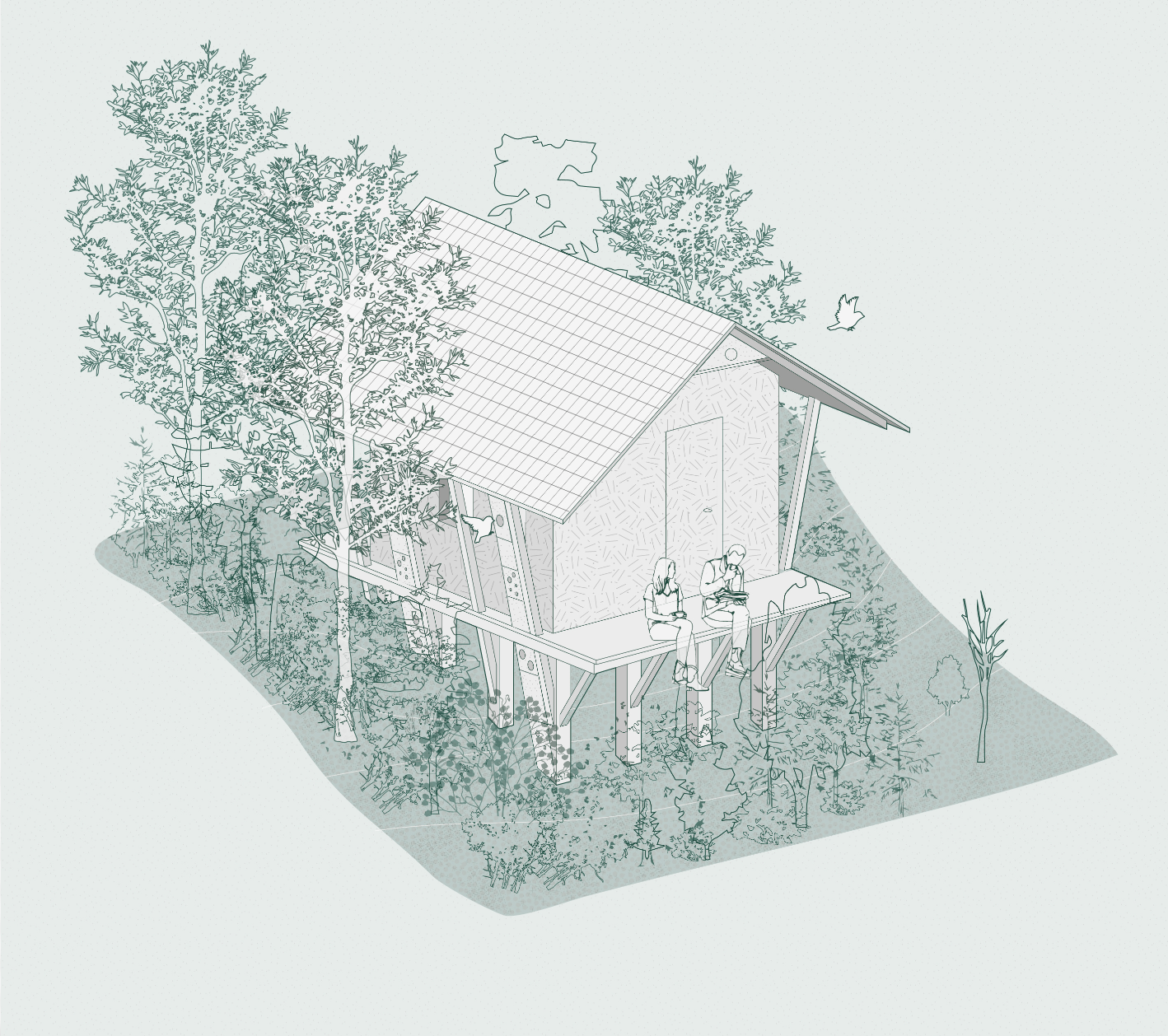
Guest house is part of structures for hospitality that hold space for inviting temporary dwellers into the project, those wishing to experience the place not only during a day visit, but potentially stay for a while, as a way to travel slower, participate in (rather than consume) and get to know this living place closer.
Camping
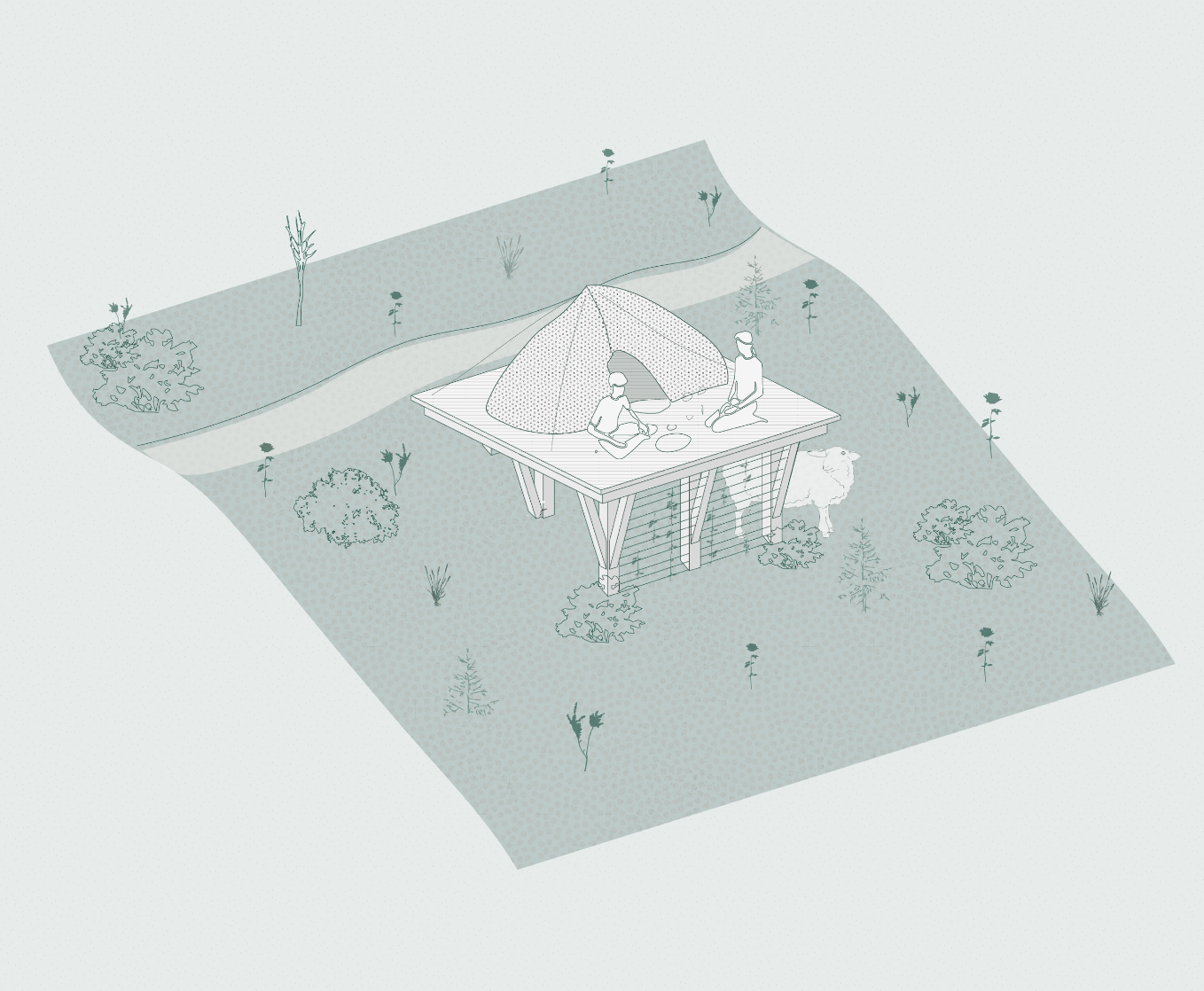
Camping also belongs to structures of hospitality and follows similar principles as a guest house described above, but offers more affordable options for a temporary stay at Foresta. Further ideas connected to this thinking include a sauna and a swimming pond.
Landscapes of Childhood
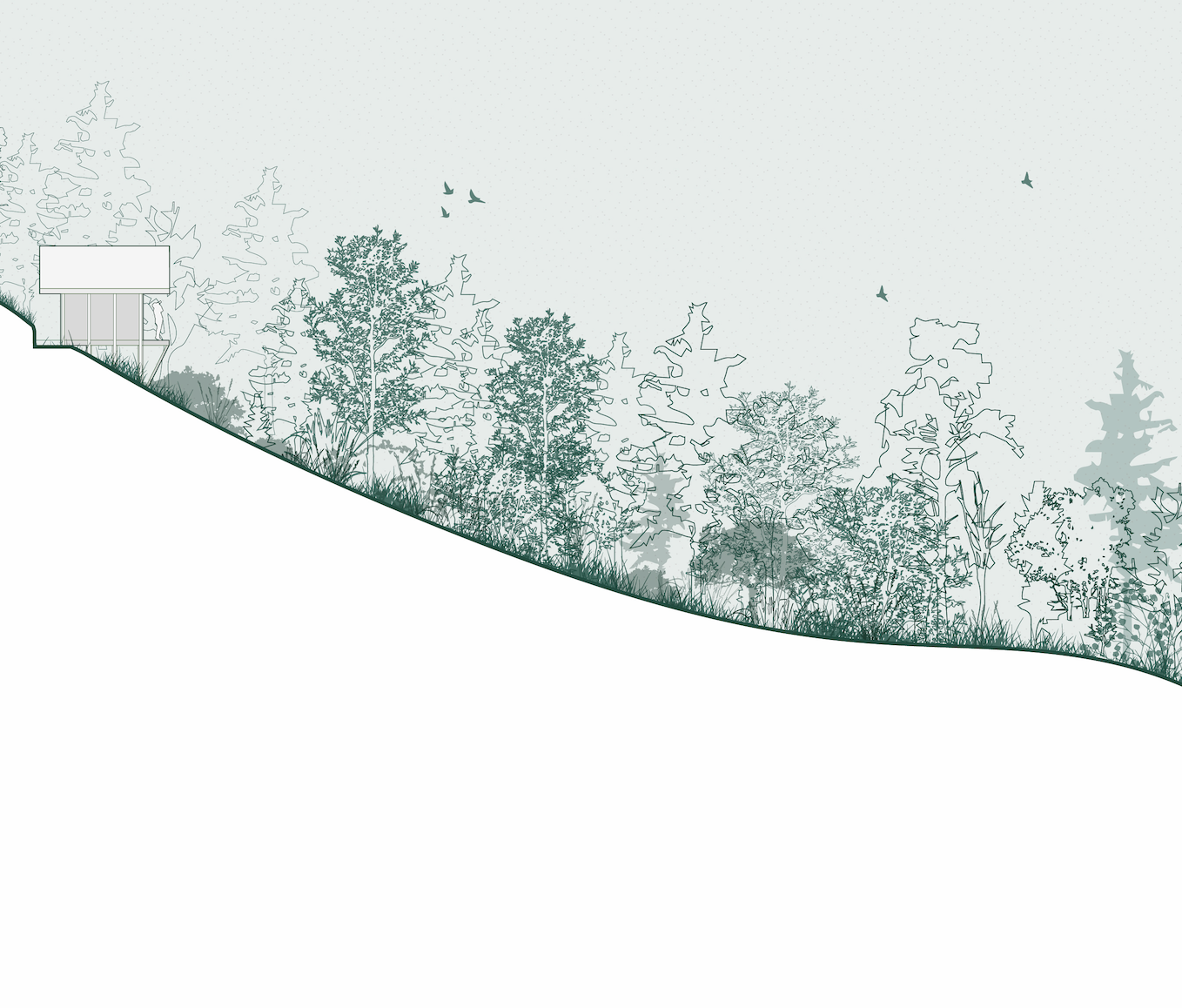
While School without Walls is a guided learning experience within Foresta Kids, Landscapes of Childhood is its extension into spatial practice. It’s an ecology of micro-architectural structures, as well as artistic invitations, rhythms, and other affordances, shaped by human imagination and intervention as much as by natural processes, so that the space itself — the constructed elements and the landscape — become collaborators and actively care for the child. We think of it as a constellation of micro-worlds that hold space for open play, learning and connection.
Temple of Ancestors
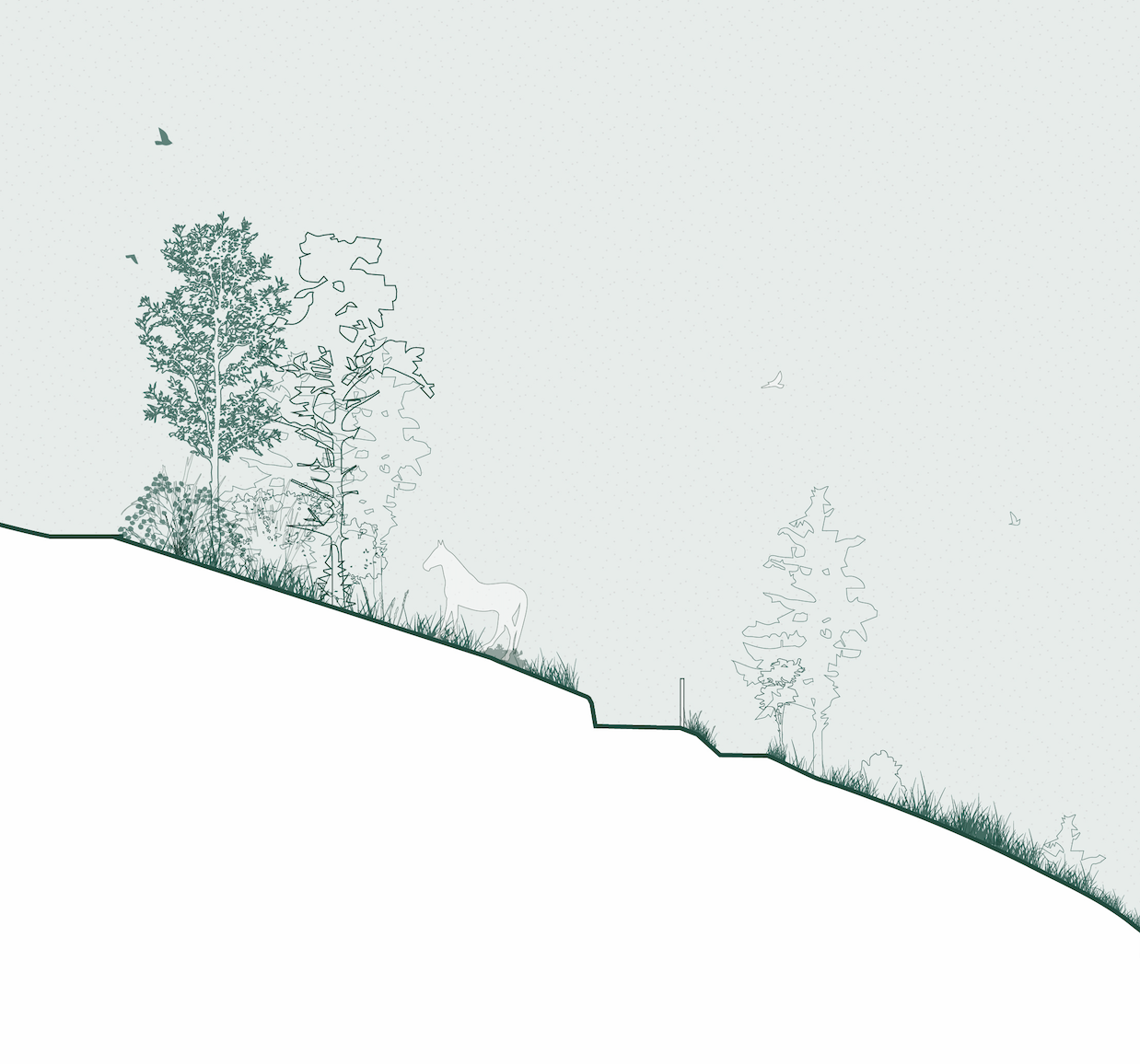
Bonding needs a sanctuary. Temple of Ancestors is a sanctuary for remembering. It’s the most mysterious place at Foresta. A place where language thins, where the living acknowledge the dead as ecological, cultural, and invisible co-presence (not as disappearance). Its intention honours ancestry beyond family lineage — ancestors may be human, plant, animal, microbial, elemental, cultural, wounded, forgotten, misunderstood, unnamed. Ancestry may be all that has made us possible, all that continues to act through us, and all that asks something of us. Restoration of bonding requires protection from speed, extraction, noise, performance, irony, and consumption. A sanctuary as a symbolic temple manifests and protects the possibility of seriousness of such intention.
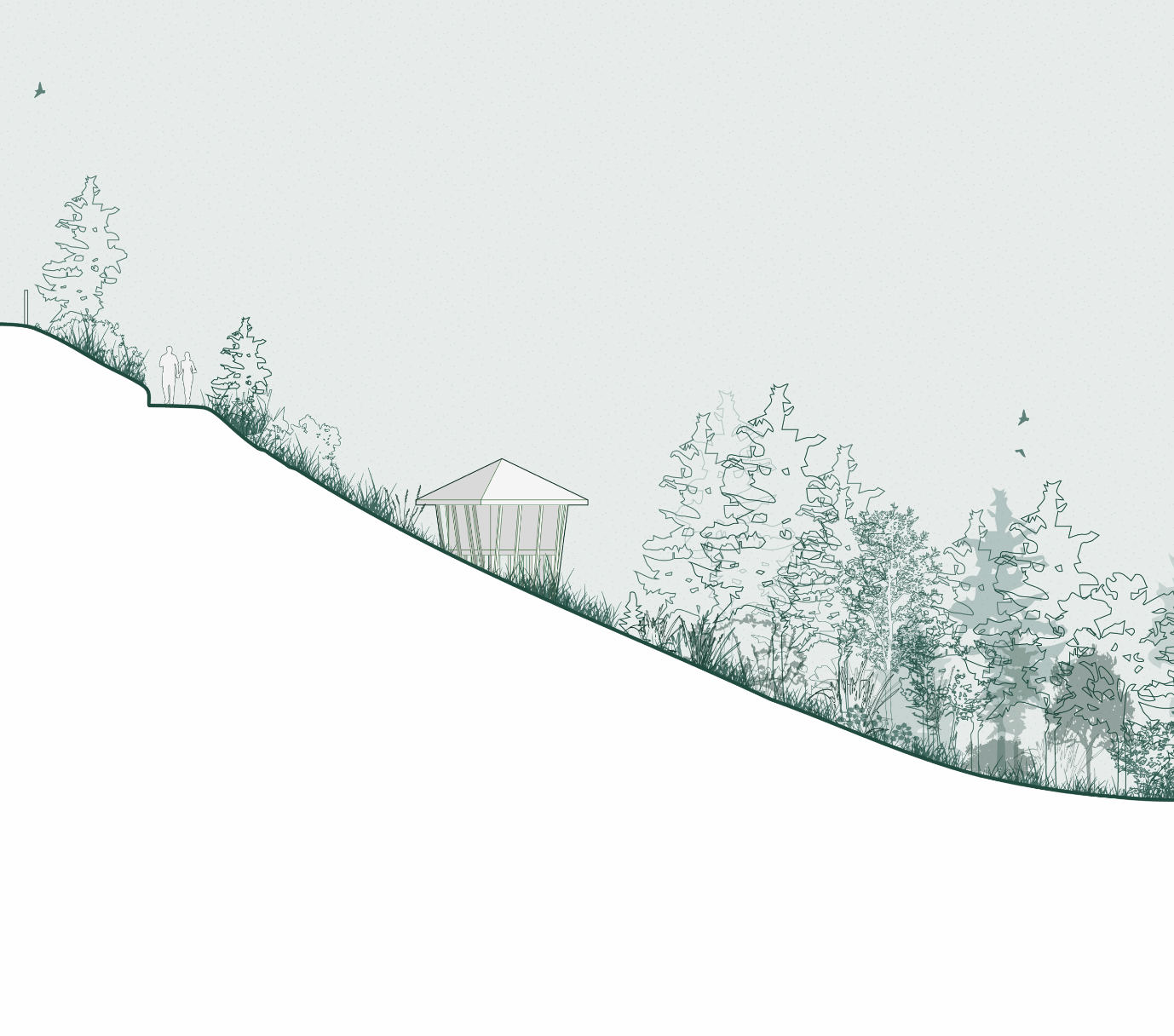
Multispecies Commons Walk
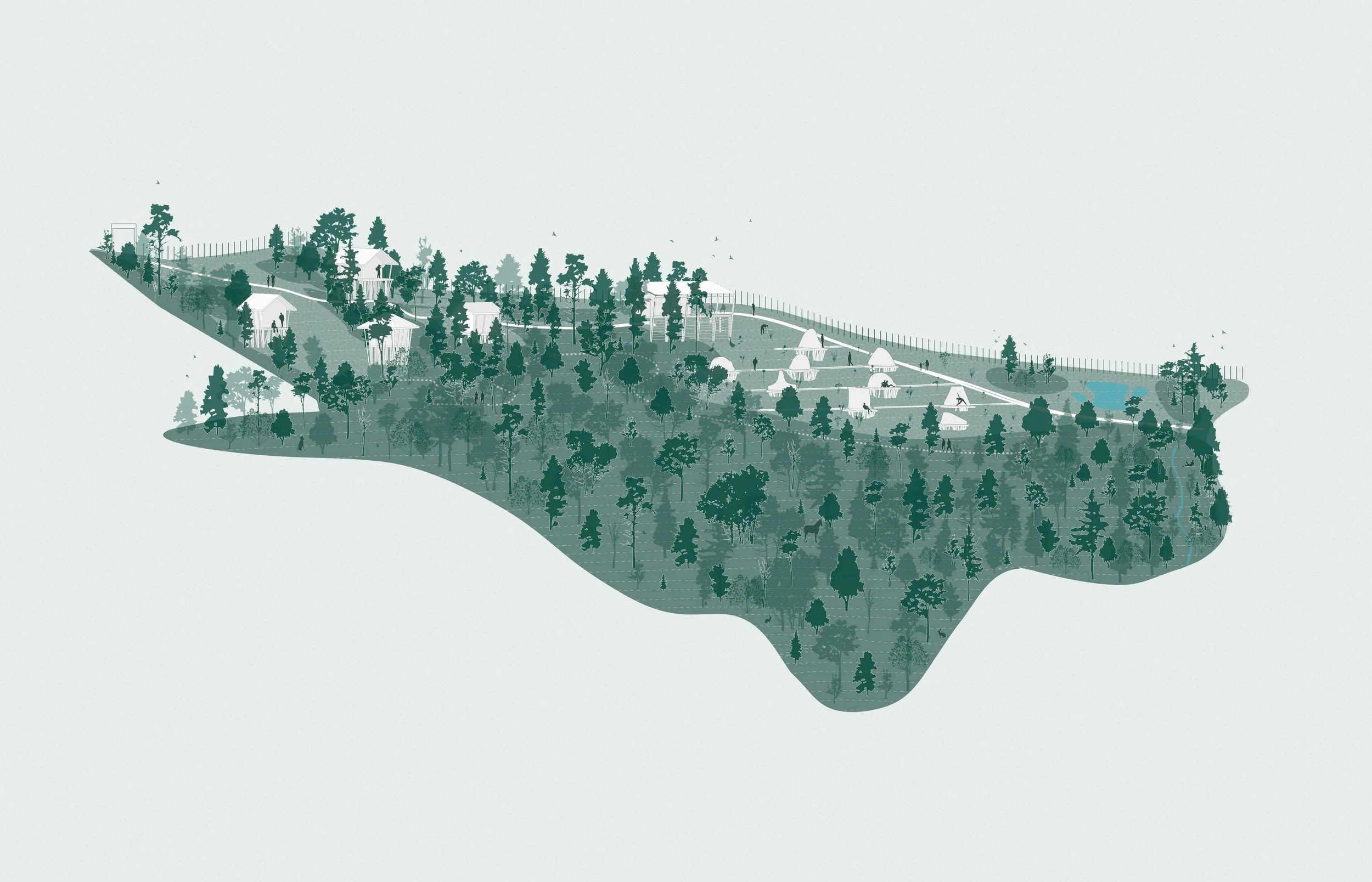
Multispecies Commons Walk is a cultural pathway embedded into the landscape. It’s a connecting thread that invites to visit different areas and projects within Foresta on the land, learn about the cosmology of our work, and connect with the local territory through a contemplative walking journey. Communication partners on the walk will be several site-specific artefacts, objects, and installations, as well as, echoing the approach of Landscapes of Childhood, the natural processes of the territory itself.
Texts: Sabina Enéa Téari
Visuals: Alberto Roncelli
Donec id justo non metus auctor commodo ut quis enim. Mauris fringilla dolor vel condimentum imperdiet.