
Foresta-in-becoming
a platform for regenerative practice in Asturias and (outside of) Berlin
Introduction
Foresta on the land is a young metabolic body in becoming, contained within a larger organism of a forest garden. This page expresses our vision for co-habiting this ecosystem of a forest through and with our various projects. Each being a metaphorical emerging sense or even an organ, a vital function within this organism. Together they form a cosmology for restoring relations.
Entering through the canopy, we ask: What is real now? How do we hold space for complexities of this moment? What if we took a possibility for world-making seriously? What may be culture’s role within shifting societal landscapes, where outdated systems and worldviews pose challenges at different scales? Which delicate strategies could it offer? Which other ways of thinking? How do we collectively support imagining and birthing futures aligned with a culture of listening, collaboration and ecological renewal?
We invite you now to begin moving through the understory, the shrubs, the herbaceous layer, towards the forest floor and the soil, where the actual nutrient transformation takes place. Foresta-in-becoming, as a platform for regenerative practice, is calling for an almost utopian transformation that requires massive collective effort. And at the same time, it ‘simply’ asks us to be real, to begin within personal ecologies, expand into relational space, craft futures together and make gentle steps into those spaces of the possible. How can we support each other?
Garden as a framework
Restoration of bonding with and within the living worlds is a planetary task that asks for situated practice. The inquiries we shared and those that we do not yet know how to formulate, along with the question at the origins of Foresta Collective “how do we want to live as a multispecies collective?” — offer us to think within a framework of a garden: a forest garden, a garden of cooperation, a planetary garden, a garden of ecological re-story-ation, a garden of many gardens.
We offer to contemplate this platform as a shared space for undisciplinary research, learning, and living into ways of togetherness, where re-story-ation responds to the deep need for challenging conventional ways of thinking, imagining narratives that are more life-generative and developing transformative tools and processes that prioritize planetary habitability, well-being and re-enchantment. It’s an invitation to gather in a garden, outside of the ruins of “the world” as we knew it, and to listen for what is real now, what wants to live, or to be grown otherwise, or from different seeds altogether.
It is crucial for us that at its core, Foresta-in-becoming is about practice — not (only) theory, not spectacle. This platform is something we envision with an intention to host, initiate, think with and support cultural, ecological, pedagogical and nourishment-oriented practices, wishing to bring together affine companions, to move forward joining forces mycorrhizally, to cultivate and slow-grow (with) a place for regenerative culture(s), honouring potentialities for collective symbiotic worlding, echoing Alexander Kluge’s gardens of cooperation that espouse the transforming power of collective experience.
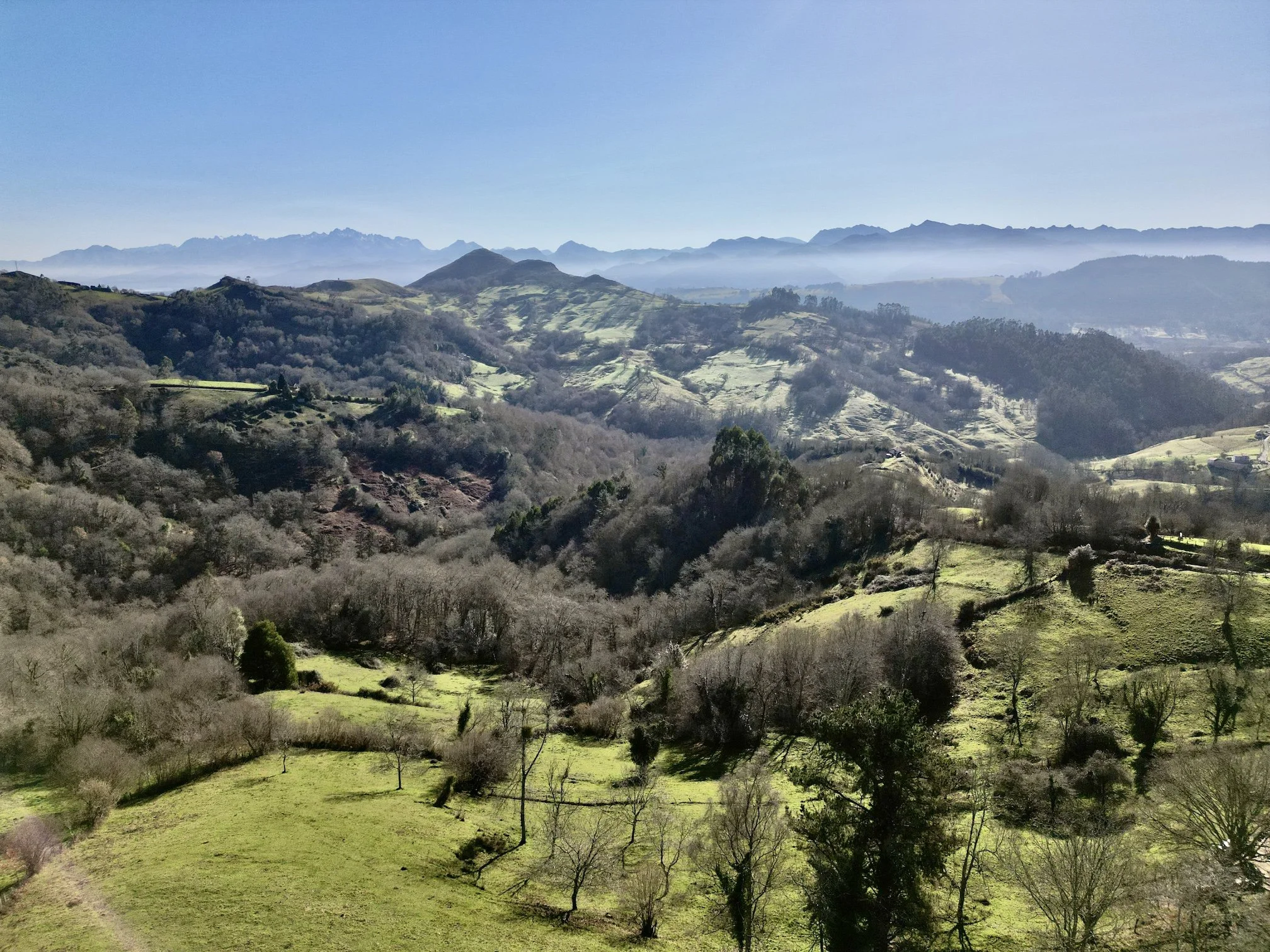
Foresta land by Emmanuel Delaloy
Place and displacement
In a somewhat remote and undiscovered location in northern Spain the future forest of Foresta began growing in 2024, where the valley, the hills and the mountains on the one side and the ocean landscapes on the other are bearing witness to the development of this international laboratory for spaces of the possible, connecting to sensitivities shaped in and with places outside the current human-techno-urban imaginations.
At the same time, we are also interested in how such experimental material and cultural practices may be able to resonate across territorial contexts. We are thinking of a rhizome, whose living practice offers a metaphor for learning about a structure without a center. Rhizome offers us to think of poetics of interconnectedness, of a fundamental openness to new connections, respecting multiplicity, heterogeneity, and a process that is defined by the ability to form symbiotic links. We are therefore also looking to potentially become a distributed garden, connecting with other places (for example, a territory just outside of Berlin, Germany), where each place is offering a particular climatic expression and cultural imagination, thus building an intentional distributed geography, where every place is a living node of one shared process.
Our main question at the moment is: can we create enough physical, legal, relational, financial and emotional safety for Foresta to unfurl in these places? What ethical coalitions may we wish for, and who may be searching for us as we are searching for them?
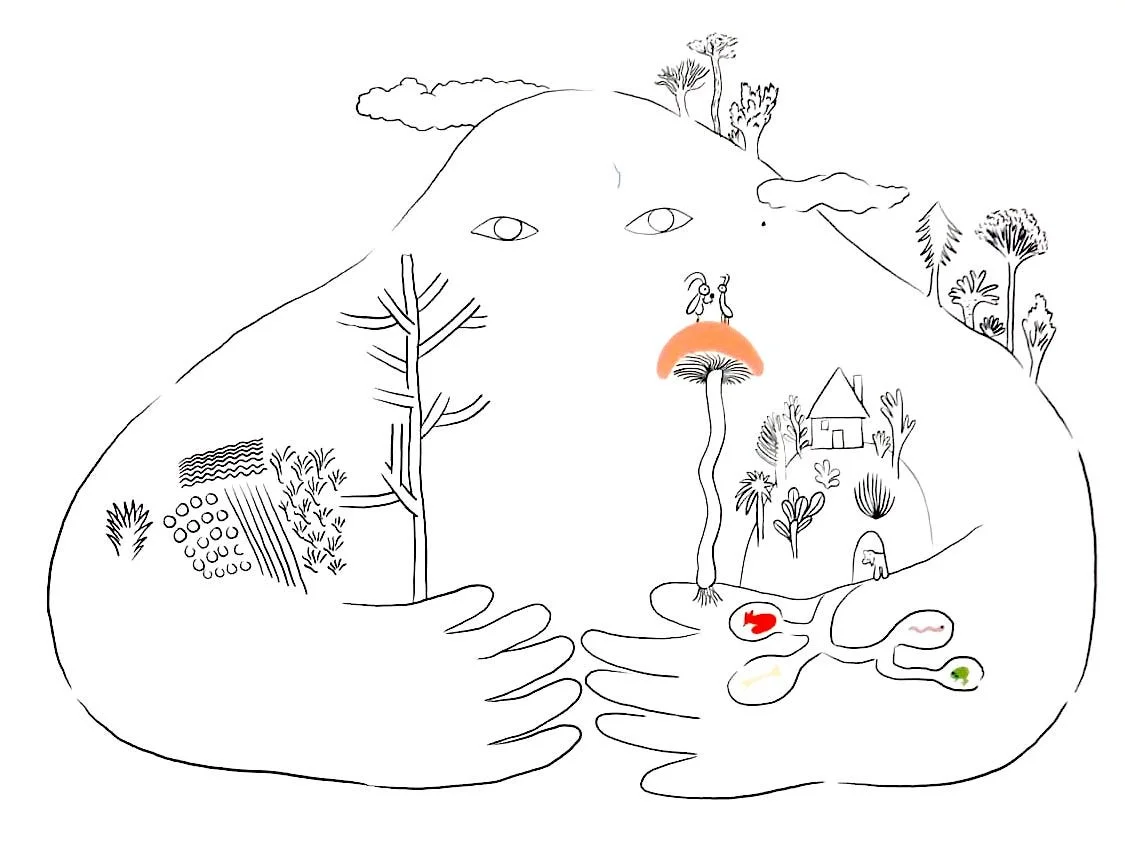
Areas of attention
Our current and future activities, while being diverse and hybrid, are evolving within one of the following containers or dimensions of relation and their ecotones.
Relating to the Living: artistic and cultural experimentation
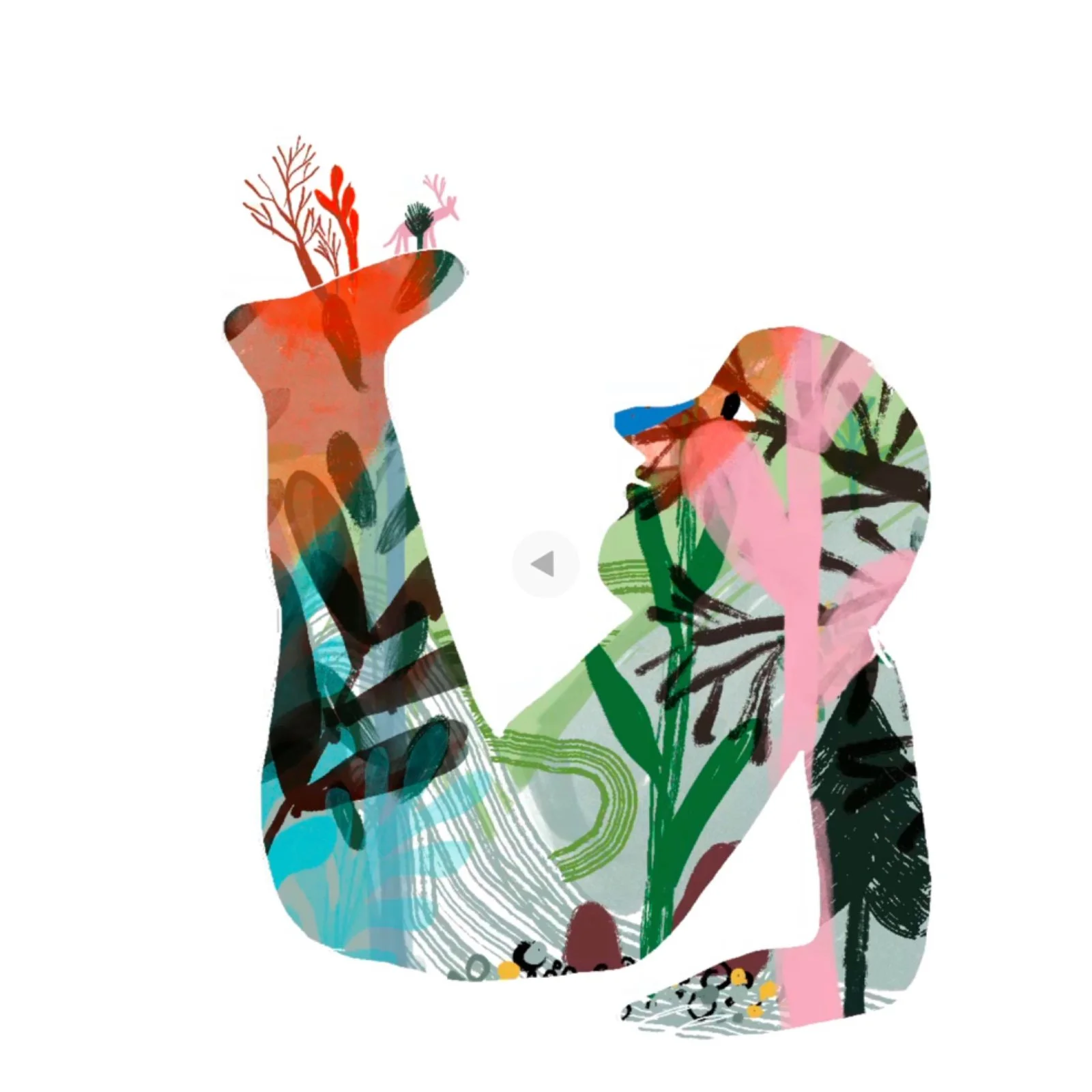
The soil from where our intentions grow is constituted by an inquiry into how we relate to Earth beings, including rivers, plants, humans and other animals, air, insects, mountains, everyone. Imagining what a space for regenerative culture(s) could look like and be vibrant, alive and sustainable for the diverse communities of life, we are engaging into a hopeful practice of worlding towards potentialities for more reciprocal relationships of attentiveness and response(ability), care and boundaries, generosity and gratitude, symbiotic and sympoietic living. We are also asking for deconstruction of reductionist ideologies that are projected onto the diverse communities of life, and longing for discernemnt within relations that are often inherited as unequal, damaged, extractive, within living systems that include predation, decay, competition, disturbance, grief, and loss.
Architecture(s) of Connection: infrastructures and stories
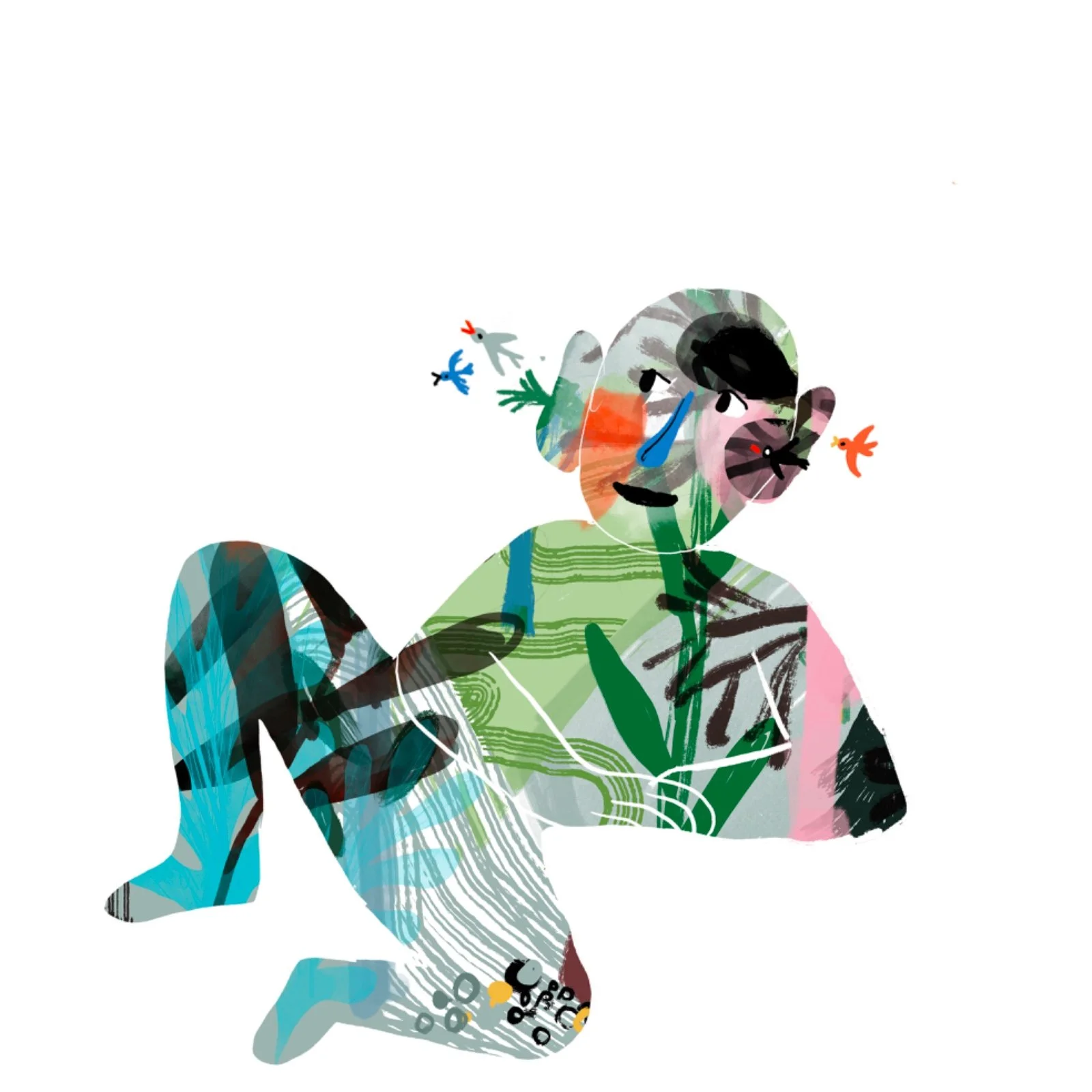
How can architecture support us in this wish for conviviality and cultivation of ecological futures? In which ways can it invite to develop more attentive and complex attitudes toward the vegetal, animal, soil worlds, and frame our process of becoming more sensitive to other–than–human subjectivities? In which forms can it support building with the landscape and can it be a continuation of natural environment embraced by respectful intervention that takes into account needs of diverse inhabitants? In very concrete terms, it is our wish to imagine and construct low-carbon built environment prioritising circular design principles, plant-based regenerative materials, adopting to the local context, and facilitating more-than-human alliances.
Agroforestry: planting for symbiotic togetherness
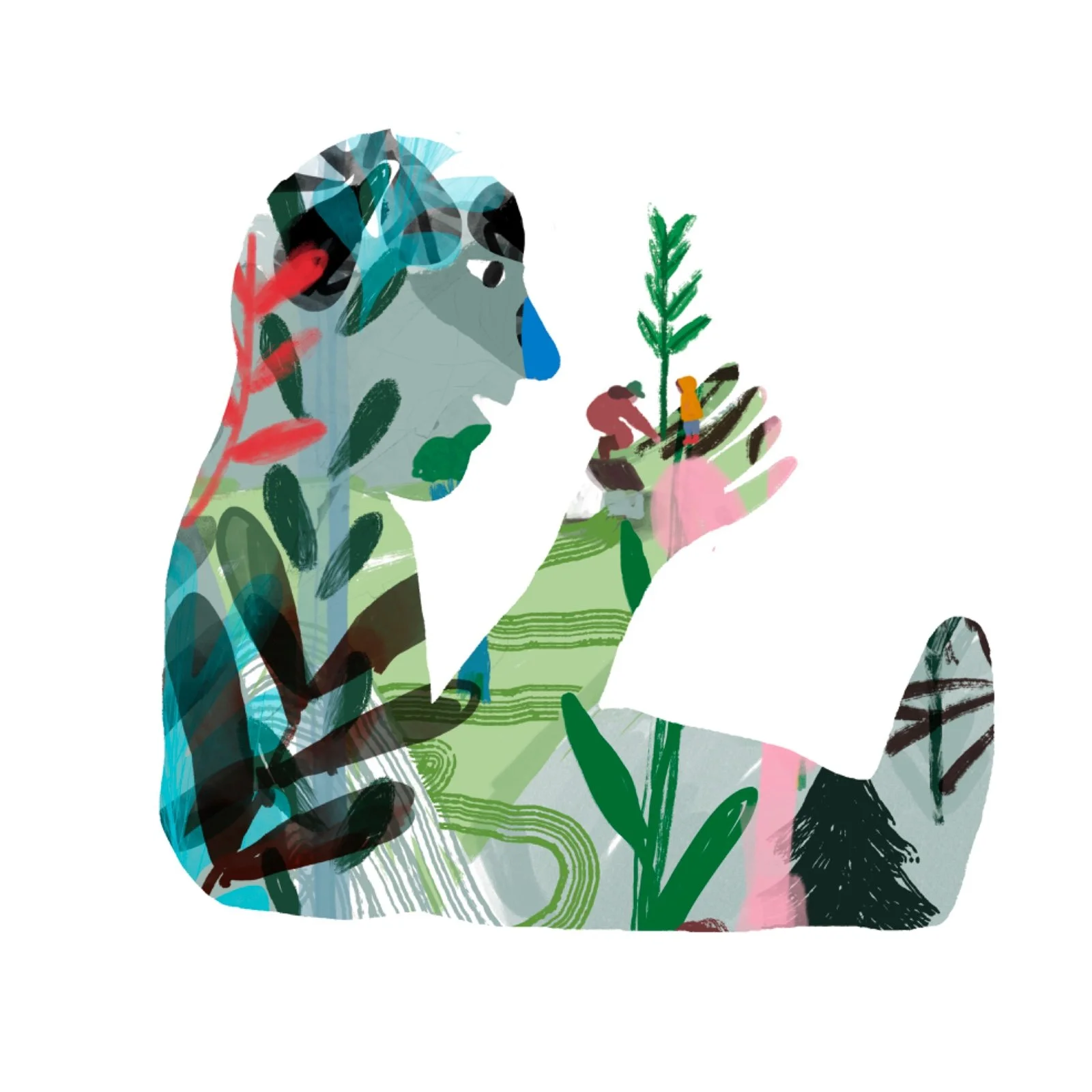
How can agricultural practices cultivate new possibilities for relating to the diverse communities of life and engage into landscape relations where we can work as part of an ecosystem and its processes? In this inquiry into working with regenerative approaches to land care, cultivating Earth-based wisdom, fostering biodiversity, serving the needs of multispecies inhabitants, we are in continuous apprenticeship from the forests. We are in the beginnings of planting a forest garden, putting into practice what we are learning from these complex symbiotic systems: to slow-grow food, as well as habitats, to facilitate conditions for biodiversity, to transfer passion for nature, and engage with many other ways in which forest cultures offer frameworks that enable change.
Foodscapes: towards more respectful and playful sustenance
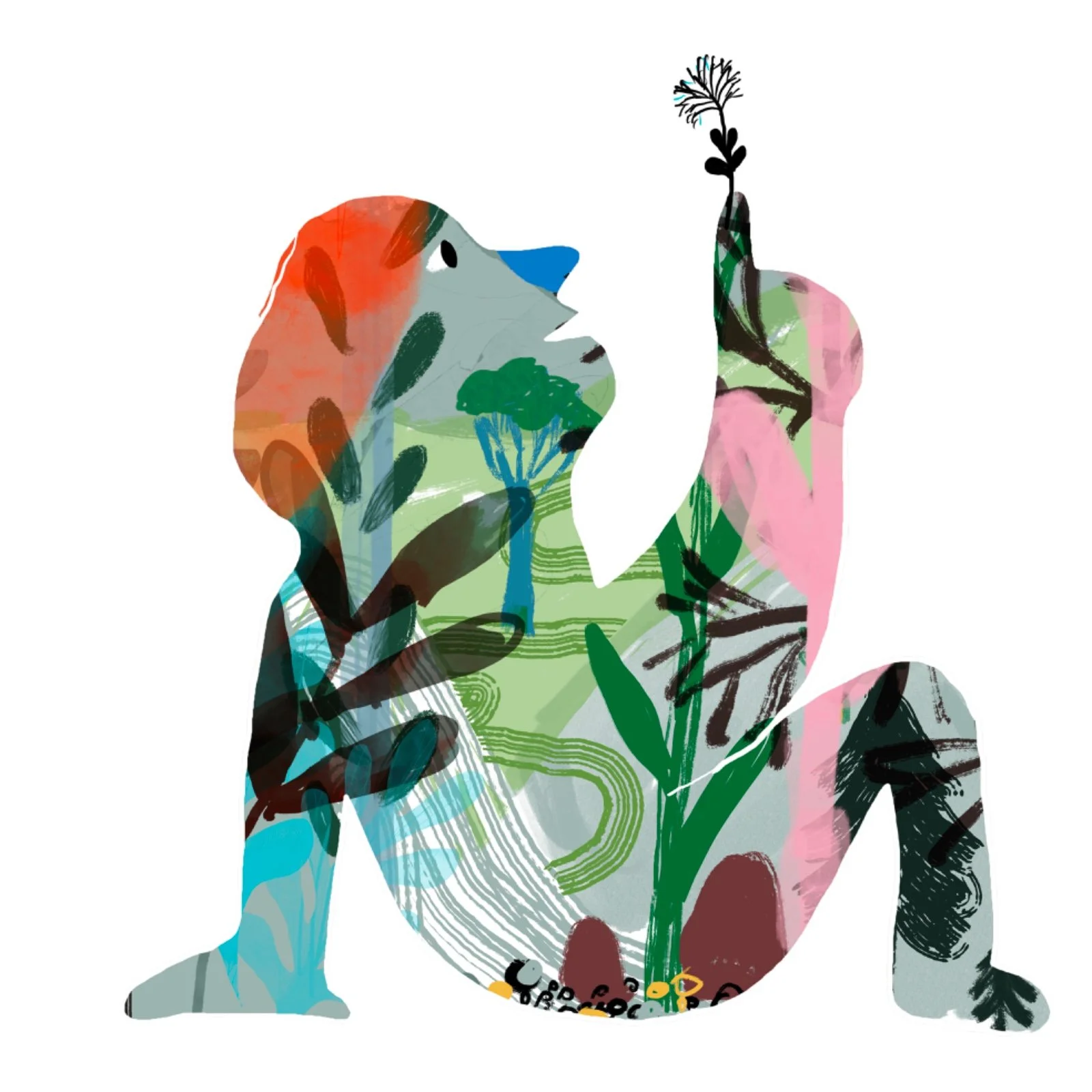
Food is another portal for world-making, for more grounded convivial multispecies imaginaries as a hopeful practice for planetary well-being. So how do we build connections and enact reciprocity with and within foodscapes? What happens when we bring food back into the centre of our thinking? How do we strengthen regenerative food ecologies? What and who are included into those? How to lay the foundations for food sovereignty? We engage with food as both a cultural investigation as well as a more practical interest to implement regenerative agriculture and food production, with a wish to contemplate food also as poetry, friendship, memory, ceremony, energy, medicine.
Areas of activity
Mentioned below are some of the existing activities at Foresta, ranging from more mature formats that have been developed by Foresta Collective over several years to more recent initiatives.
Research
Holding space for experimentation in collective imagination, wishing to align and craft gestures with the agencies of the Earth, researching practices beyond the hegemonic logic — these and other inquiries we don’t yet know how to formulate point to the core of what we do. How could notion of the planetary become our thinking tool? How does a culture that relinks to the living story the world differently? How sharing and pursuing honest inquiries within an aligned togetherness may seed alchemical workings? Research as practice takes forms of in-person gatherings as well as of a video book.
Forest and Tea Garden
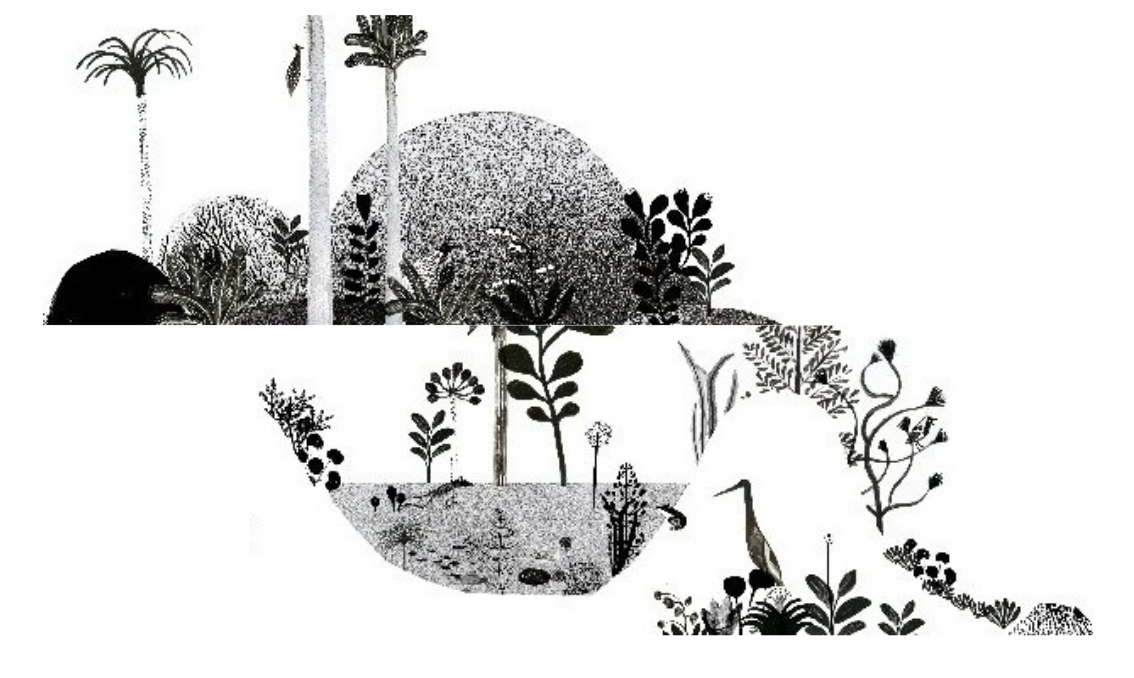
It might be in a garden where critical reflection, research and symbolic practices come closer to the lived life. It might be in the garden where planetary tangles of interdependencies, feelbacks, sensitivities, and co-flourishings can be experienced in direct materially engaged ways. It might be in this garden that began growing at Foresta, where our inquiries into imaginaries for a more ecological and connected being, our passion for tea, our love of food, are finally coming together and meet us beyond theories, struggles, abstractions and become lived life shared with many.
Residencies
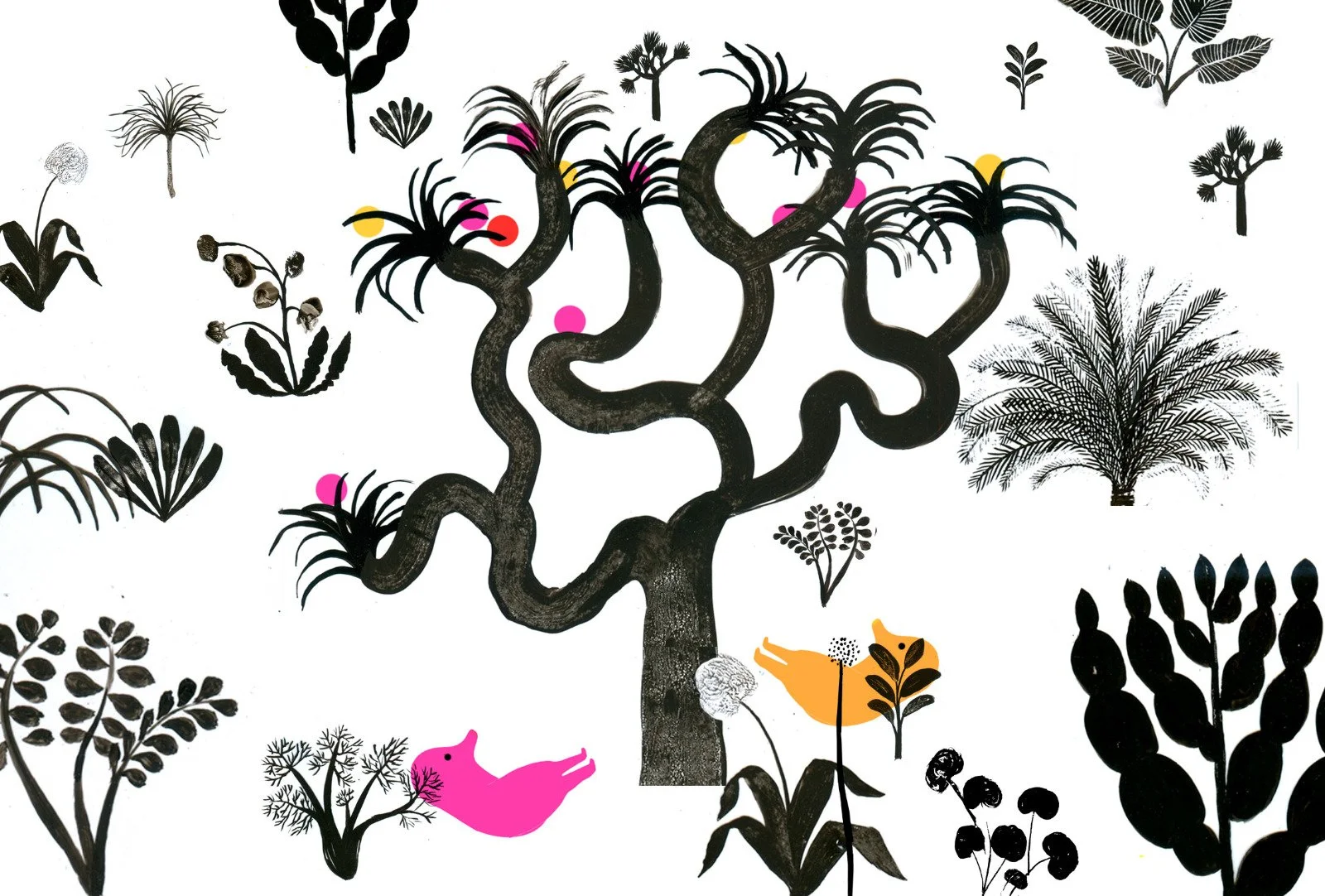
How can creative practices support imagining, birthing and growing futures that decolonize, rebuild and heal, responding to "injuries of modernity", such as disenchatment and loss of wonder? Residencies hold space for intimate encounters with natural environments, through gestures of attunement, nearness, and collective work, bringing together visible and invisible, ecological and metaphysical, poetic and practical, objects of daily use and artworks of symbolic meaning, claiming freedom and openness to experiment, making room for critical thinking and sensing, embracing heterogeneity and wanting the impossible.
Seasonal Academy
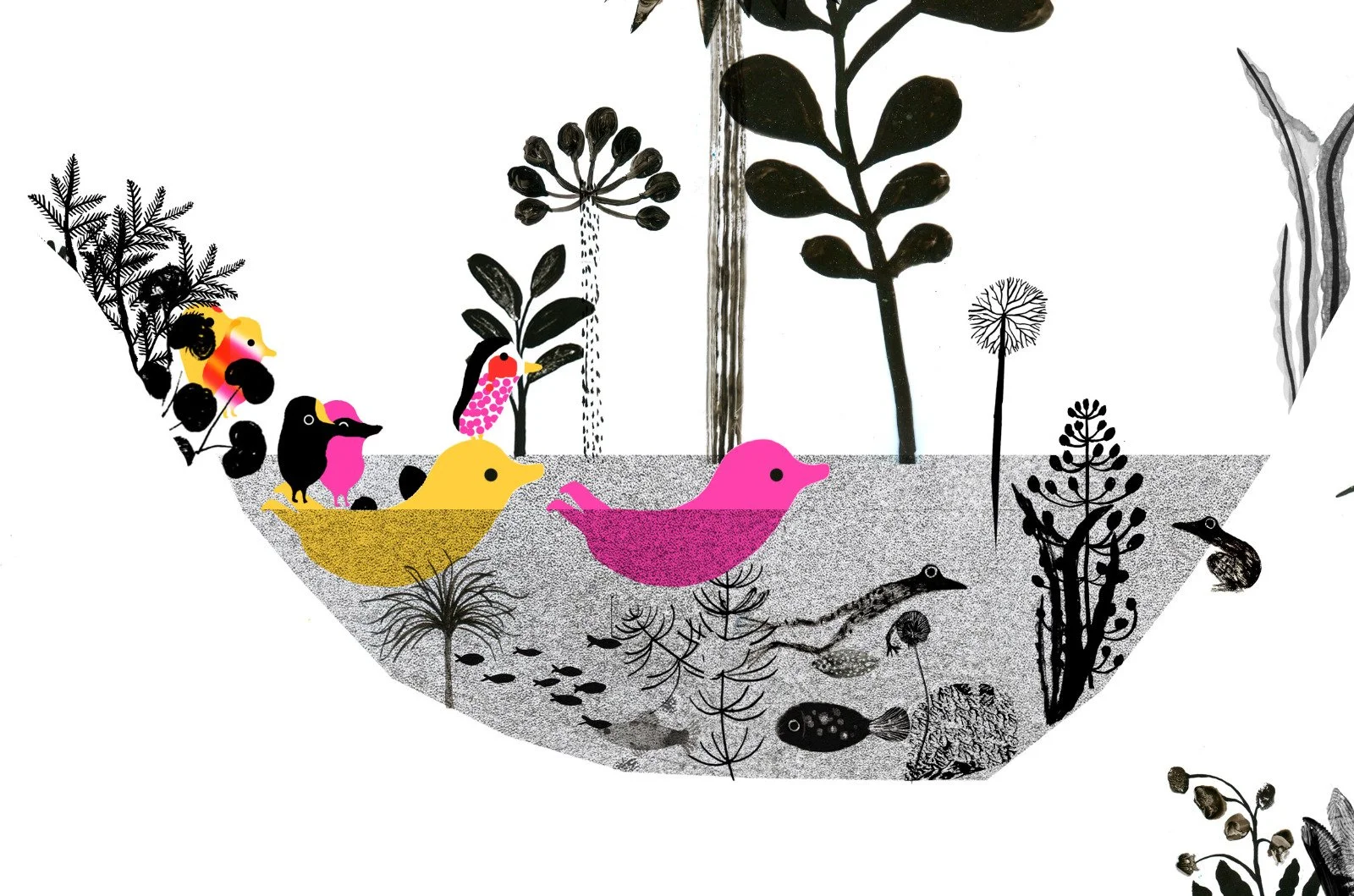
Seasonal Academy is Foresta’s main learning format, that offers online (self-paced) and onsite (in person) learning experiences dedicated to ecologies of earthly relations and restoration of bonding with(in) the living world(s). Committed to supporting persons from diverse walks of life, who wish to strengthen their work or develop an initiative rooted in forest imaginaries, embodied culture, thinking-through-making, and collective practice, to deepen into the circles of ecological sensitivities and develop long-term strategies for envisioning and realising their work.
Foresta Kids

Foresta Kids have been based in an urban setting of Berlin, offering learning experiences, workshops, aesthetic research expeditions and other formats exploring natural-cultural ecologies for and with children, dedicated to ecologically, socially and personally sustainable futures, and addressing learning as an embodied, affective, relational practice rooted in the territories. As Foresta is becoming more rooted on the land, these formats will also metamorphosize. Unfolding in a direct relationship with the world around, Foresta Kids’ vision is to nurture kids perception and awareness beyond a reductionist view of nature, to expand sensitivity and ways of listening to multispecies communities of life, through artistic thinking and making as personal and collective storytelling.
Connective Tissues
Connective tissues are orientations and approaches moving through everything we do.
Collective practice
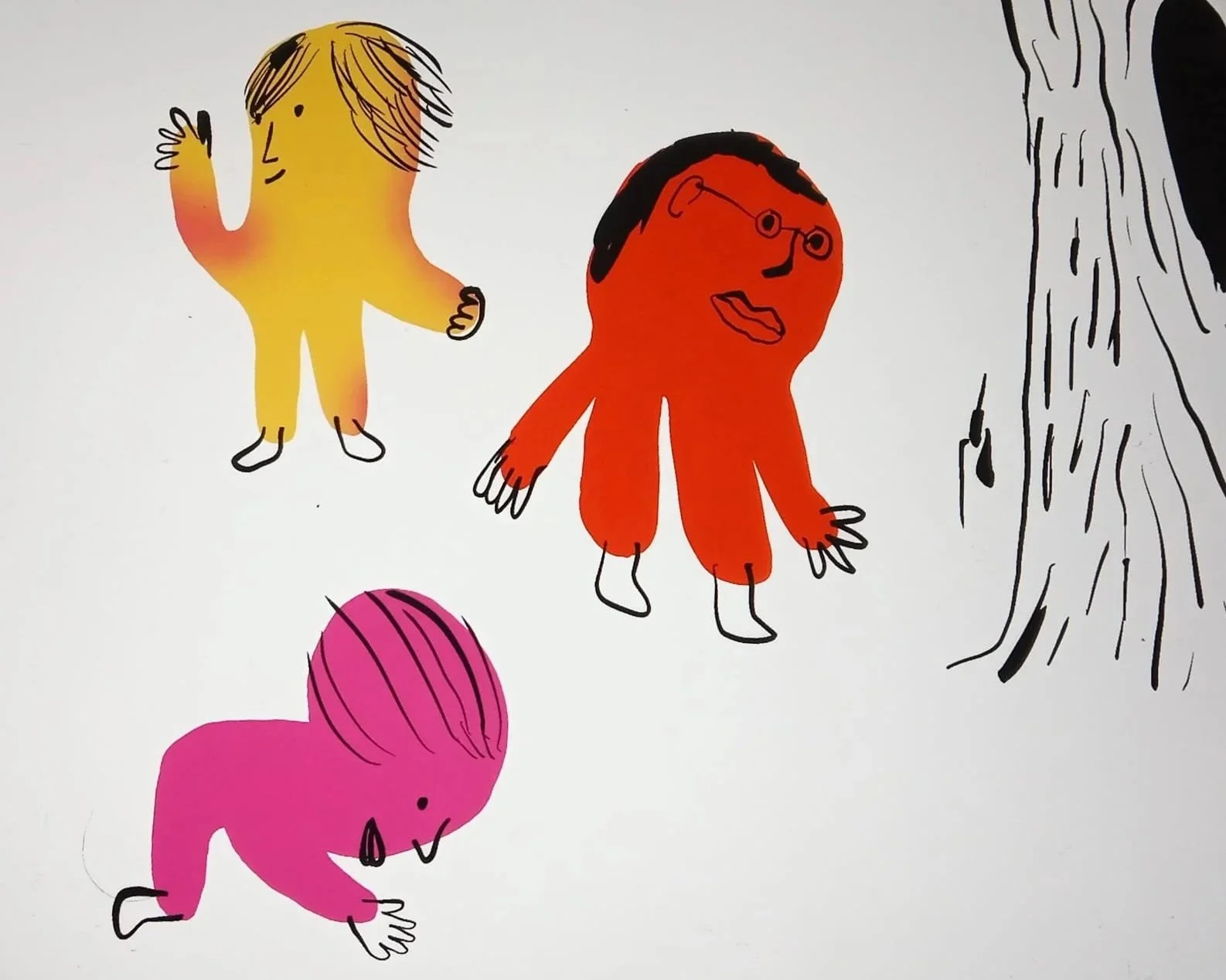
Collective practice grows from an interest in shared potential: human and not only, personal and communal, intimate and ecological. It is an ethical practice of learning together, where uniqueness and solidarity are not opposites, and where honest encounters can emerge beyond fixed hierarchies. Everyone is a teacher, everyone is a student. Collective practice is how Foresta learns to become more than a sum of individual gestures. We gather as a temporary ecosystem, beings, stories, silences, weather, presences within earthly relations. Rather than producing a single object or conclusion, we compose conditions for shared attention — a living field where knowledge is exchanged, vulnerability is permitted, and something none of us could make alone may begin to take shape.
Embodied Culture
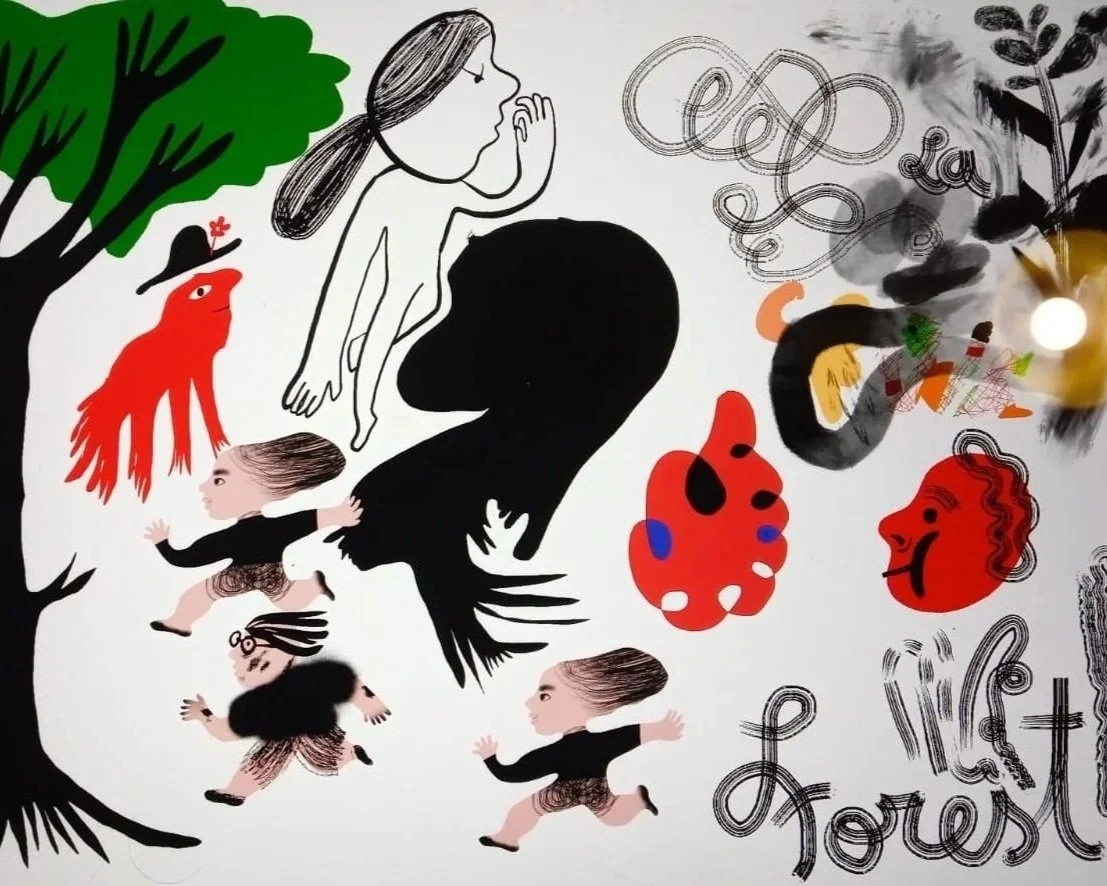
Everyone lives as a bodied being embedded in worlds. Body is a process, a subject and container of lived experience, a mediator between social forces and inner life, an antenna and a membrane that registers the conditions of the world. The body is also shaped by power, trauma, gender, class, coloniality, ableism, exhaustion, family systems, media, labour, and ecological damage. Embodied culture is a situated practice for discernment, unlearning, contemplation, where embodied attention can become possible again.
Thinking through making
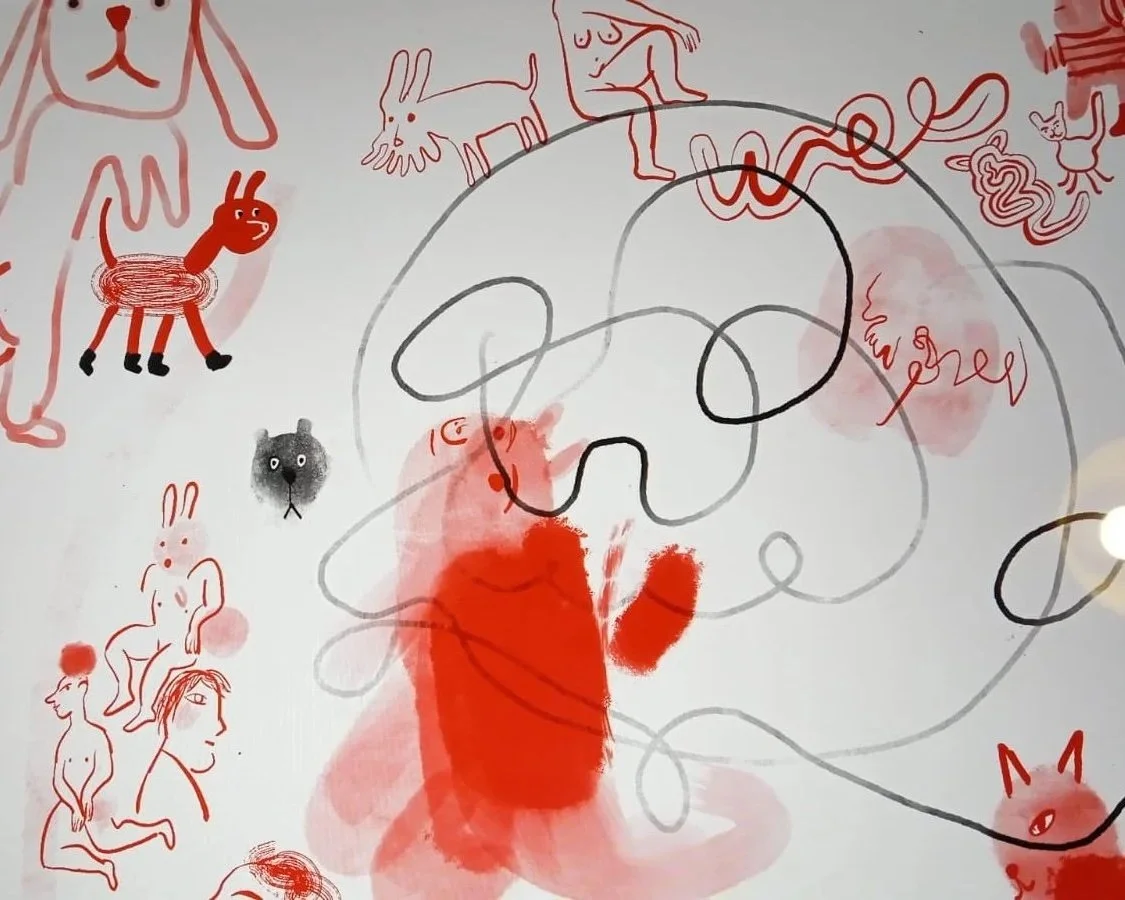
Making is a way of entering into a relation with matter, place, time, memory, land, conflict, and the more-than-human world. If we think of arts as attention and intention materialising, and of making as care in movement, thinking through making can be understood as a relational learning practice, where materials think through us while we make through them. Thinking through making is a vessel for personal and collective reflection — a way to hold questions, multiply voices, and allow meaning to take form.
Emergent Spaces
Foresta on the land is a young metabolic body contained within a larger organism of a forest garden. Each space we envision on the land is a metaphorical emerging organ, a sense or a vital function within this organism. Together they form a spatial cosmology for restoring relations.
Multispecies Commons Walk
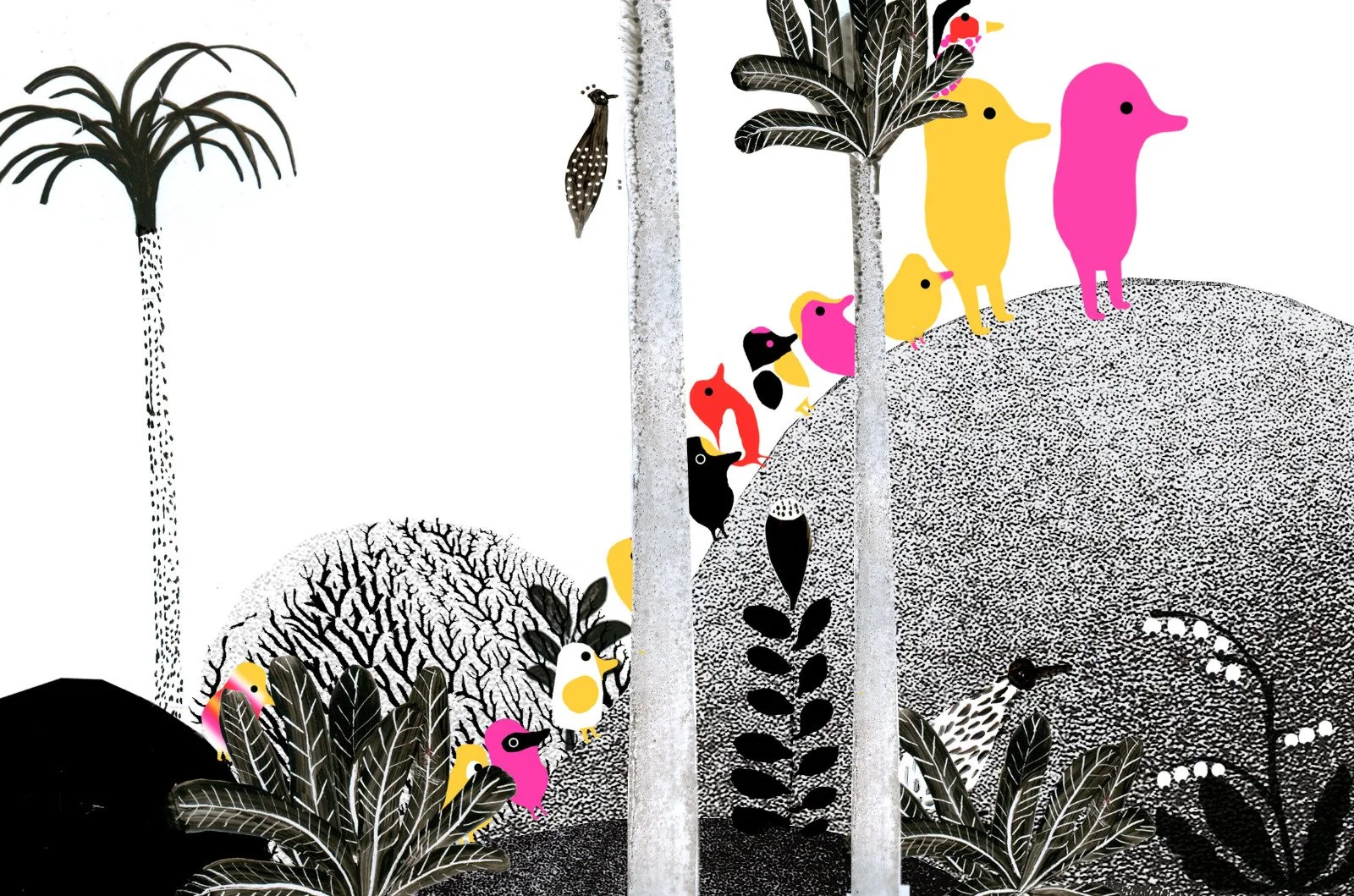
Contemplating ideas, potential meanings and practices for contemporary pilgrimage as a way to engage with personal meaning-making, we are envisioning a public pathway as part of Foresta space, where installations and objects will invite visitors to reconnect with the natural world. This cultural pathway embedded into the landscape offers visitors to engage into contemplative journey, connecting to the local landscape and its inhabitants. Communication partners on the walk will also be several site-specific artefacts, artistic objects or micro-architectural structures.
Food lab
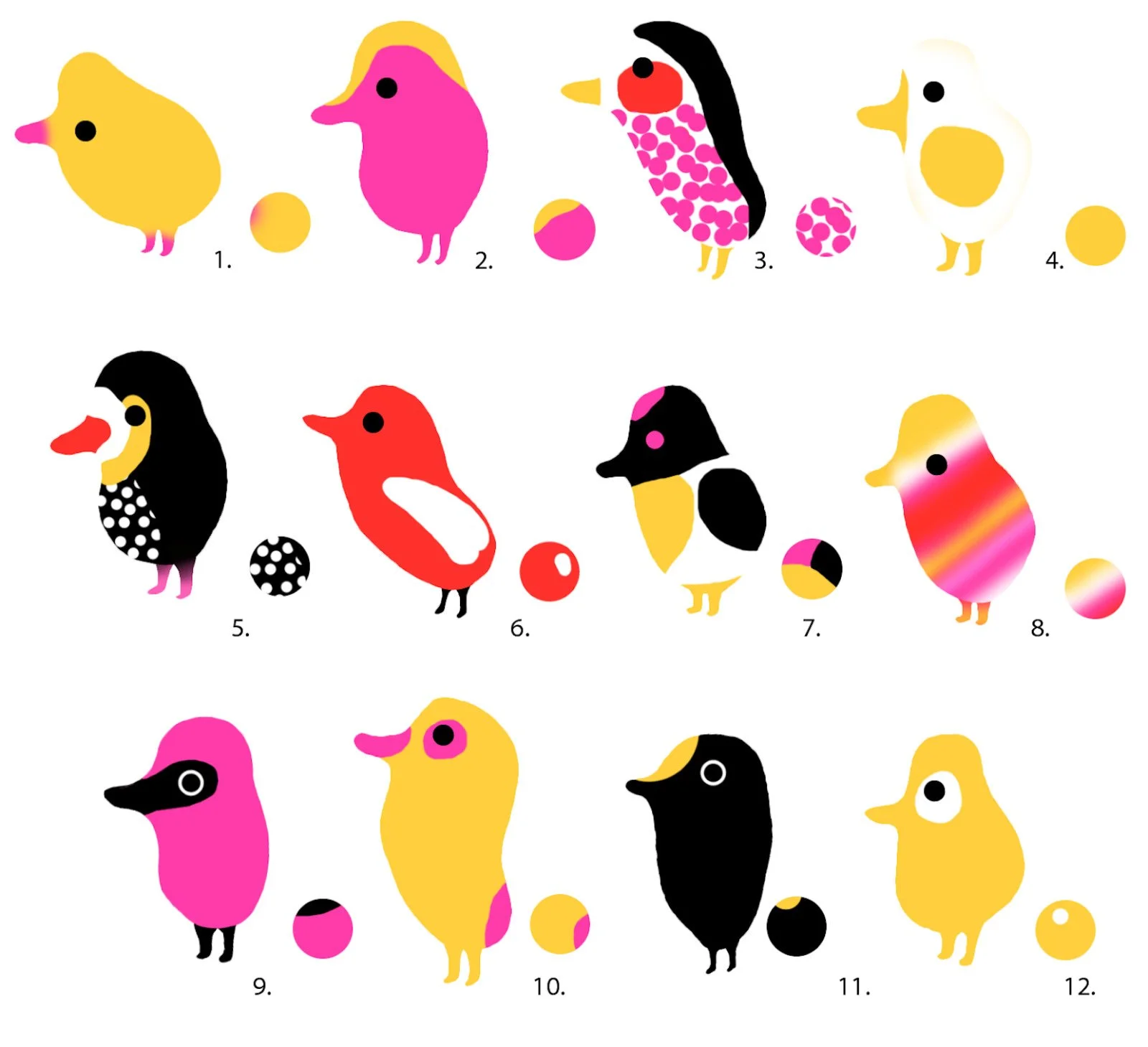
Food lab extends an invitation to engage with Foresta as a site of ongoing practice, where food as connection, relationship, nourishment, ceremony, memory, friendship, medicine, or poetry, can be experimented. It shares a proposal to root practice in a place, to revisit cyclically, to participate in a longer trajectory of collective cultivation of a living system while being cultivated by it, to grow food from seed and follow its cycles, allowing relationships — ecological, human, multispecies — to unfold and deepen gradually. Potential directions for engagement range from growing and harvesting from a forest garden, experimenting with perennial plants, tea, or botanical drinks, as well as other forms of culinary practice in a garden of many gardens.
Landscapes of Childhood
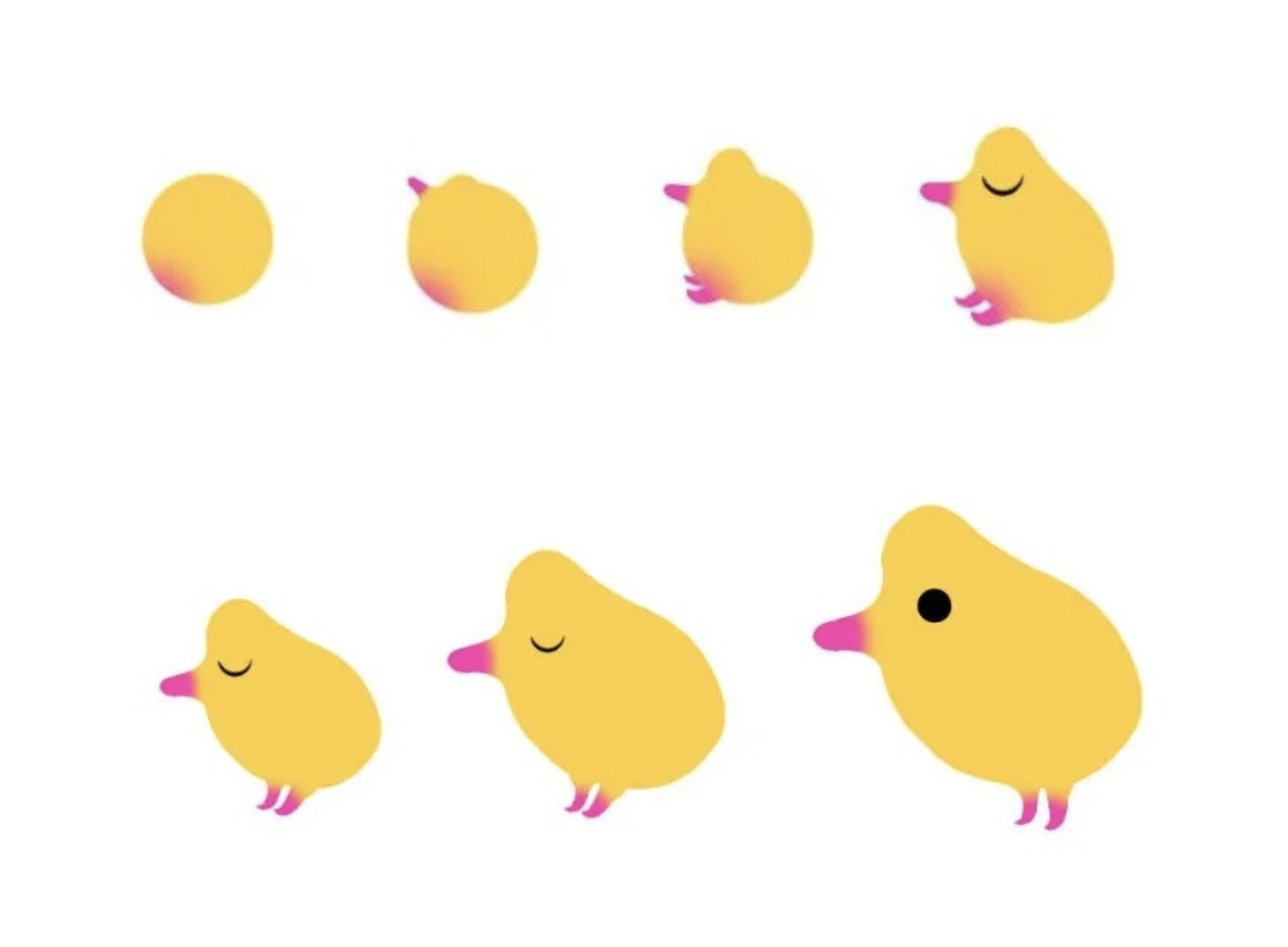
While School without Walls is a guided learning experience within Foresta Kids, Landscapes of Childhood is its extension into spatial practice. It’s an ecology of spaces, invitations, states, rhythms, and affordances, shaped by human imagination and intervention as much as by natural processes, where the space itself, the built elements and the landscape, become collaborators and actively care for the child. It’s a constellation of micro-worlds that hold space for open free play, learning and connection.
Temple of Ancestors

Bonding needs a sanctuary. Temple of Ancestors is a sanctuary for remembering. It’s the most mysterious place at Foresta. A place where language thins, where the living acknowledge the dead as ecological, cultural, and spiritual co-presence (not as absence or disappearance). Its intention honours ancestry beyond family lineage, ancestors may be human, plant, animal, microbial, elemental, cultural, wounded, forgotten, misunderstood, unnamed. Ancestry may be all that has made us possible, all that continues to act through us, and all that asks something of us. Restoration of bonding within this relational space requires protection from speed, extraction, noise, performance, irony, and consumption. A sanctuary as a symbolic temple manifests and protects the possibility of seriousness of such intention.
Structures for Hospitality
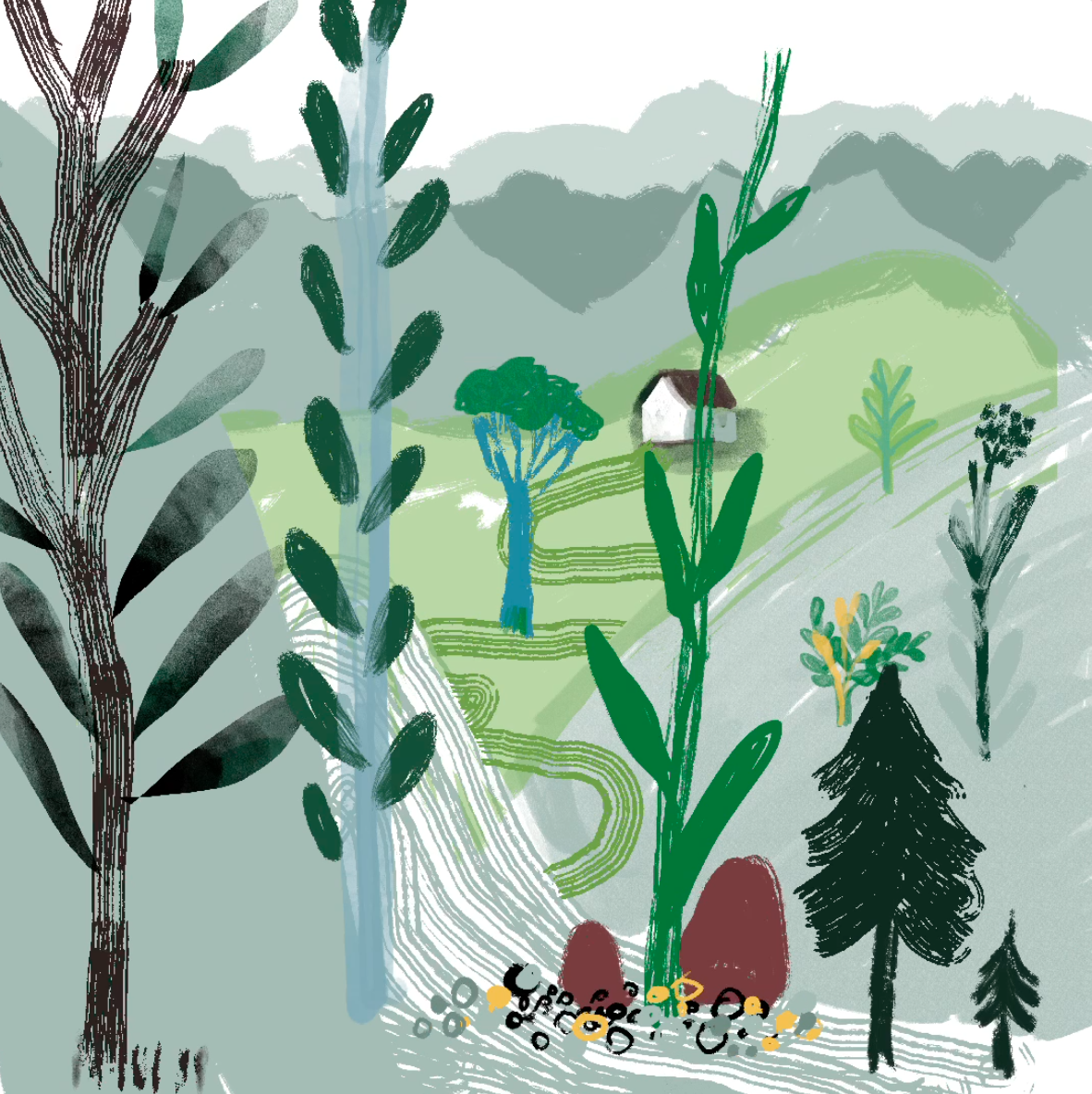
Structures for hospitality hold space for inviting temporary dwellers into the project, whether it is for Foresta learning ecology participants, artists in residence, kids and families, or someone just wishing to experience the place not only during a day visit, but potentially staying for a while, as a way to travel slower and get to know the place closer. This latter possibility to engage with the place is also a way to contribute to the economy of the project and its long-term sustainability, though it’s important to make sure it will be a temporary participation in a living place, not consumption of a destination. Structures for hospitality also includ spaces for convivial learning, togetherness, and an atelier.
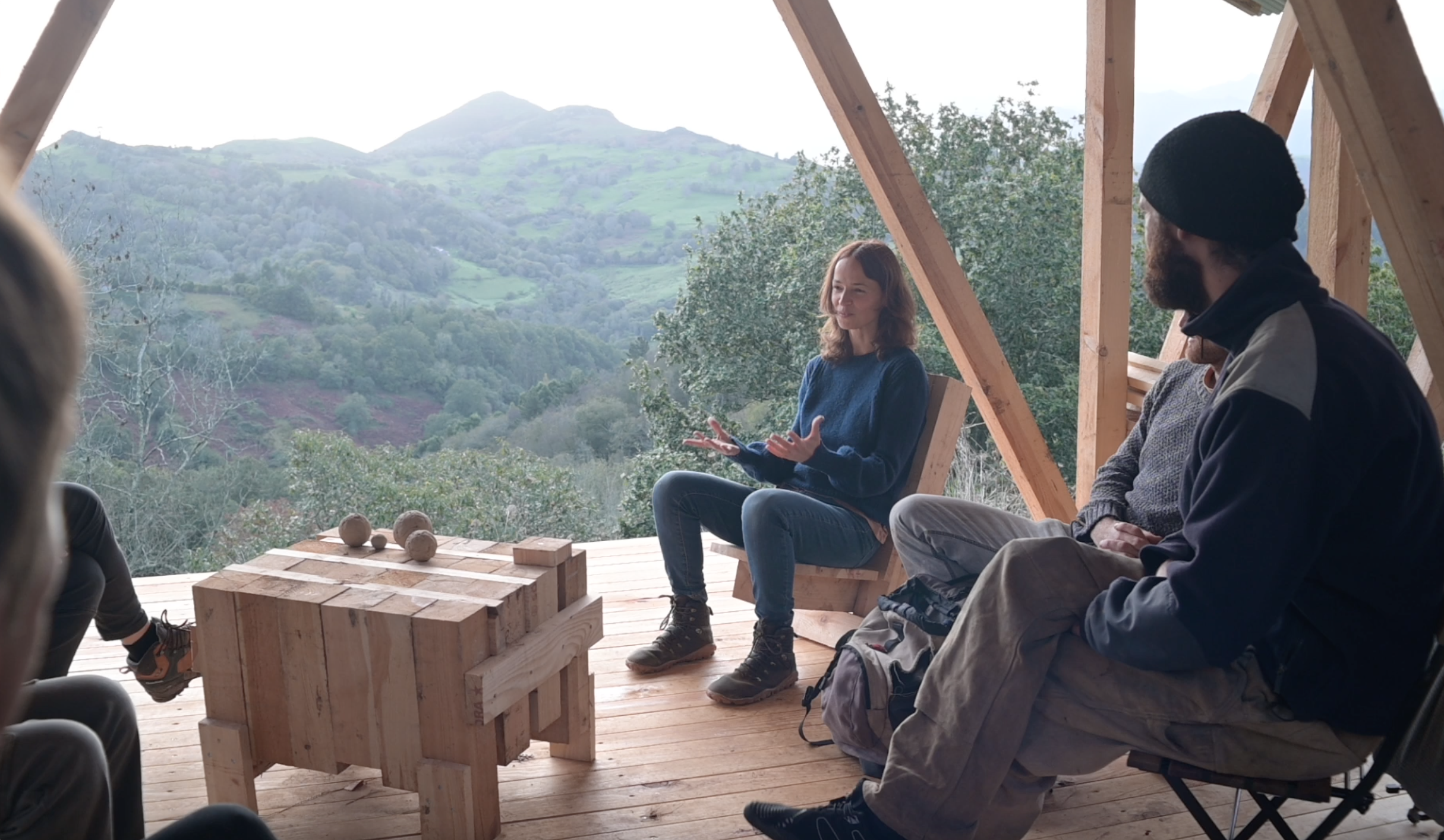
First gatherings at Foresta by Csilla Hódi
Pathways of participation
People who feel resonance with this work and wish to contribute to its becoming are invited to become members of Foresta Collective association. There is no single way to participate. Members may:
contribute time, skills, or knowledge
take part in residencies, gatherings, or research processes
support the association’s stewardship work
help hold and evolve its values and governance
Members do not need to live in situ, unless this is something they may choose to do. We work through seasonal gatherings, remote coordination, and project-based visits. What matters is a commitment to attentiveness, responsibility, and care for shared vision.

Foresta land by Sabina Téari
Where we are coming from
Between 2015 and 2022, based in Berlin, Foresta Collective understood ourselves as an urban trans-disciplinary collective working at the intersection of ecologies, arts and education, with an intention to research the multifaceted notions of the 'ecological' and reframe how we relate to multispecies communities of life. Our activities revolved around the following areas (you can find more details to each available on this website):

Forestamorphosis
In 2022 we have set on a search for ‘spaces of the possible’, looking for ways to land with Foresta in a wilder place, to initiate the process of bringing critical reflection, research and symbolic practices of the past years closer to our lived life, to the everyday, to life-generating processes with the land, embracing the question at our origins — “how do we want to live as a multispecies collective?” — in very direct non-abstract materially-engaged ways, where all flourishing may be mutual, where our work can be shaped in, by and with places that lie outside current human-techno-urban imaginations.
Time of a long search and Forestamorphosis began......𓆱⚘𓃦𓍊𓋼𓍊𓅫↟𖤣𖥧𓆑....
In 2024 we became guardians of a 3 ha piece of land in Asturias, northern Spain, with an intention to co-create a place for regenerative culture(s) and multispecies care, and to hold space for Foresta to grow as a real forest. In 2024 and 2025 we began planting the first couple of thousands of trees, made paths and terraces, tried to co-facilitate processes for soil regeneration, hosted first residencies, and built the first structure on the land - an agropoetic pavilion - a vessel for the future unfolding processes. That’s when we meet and potentially continue together :)
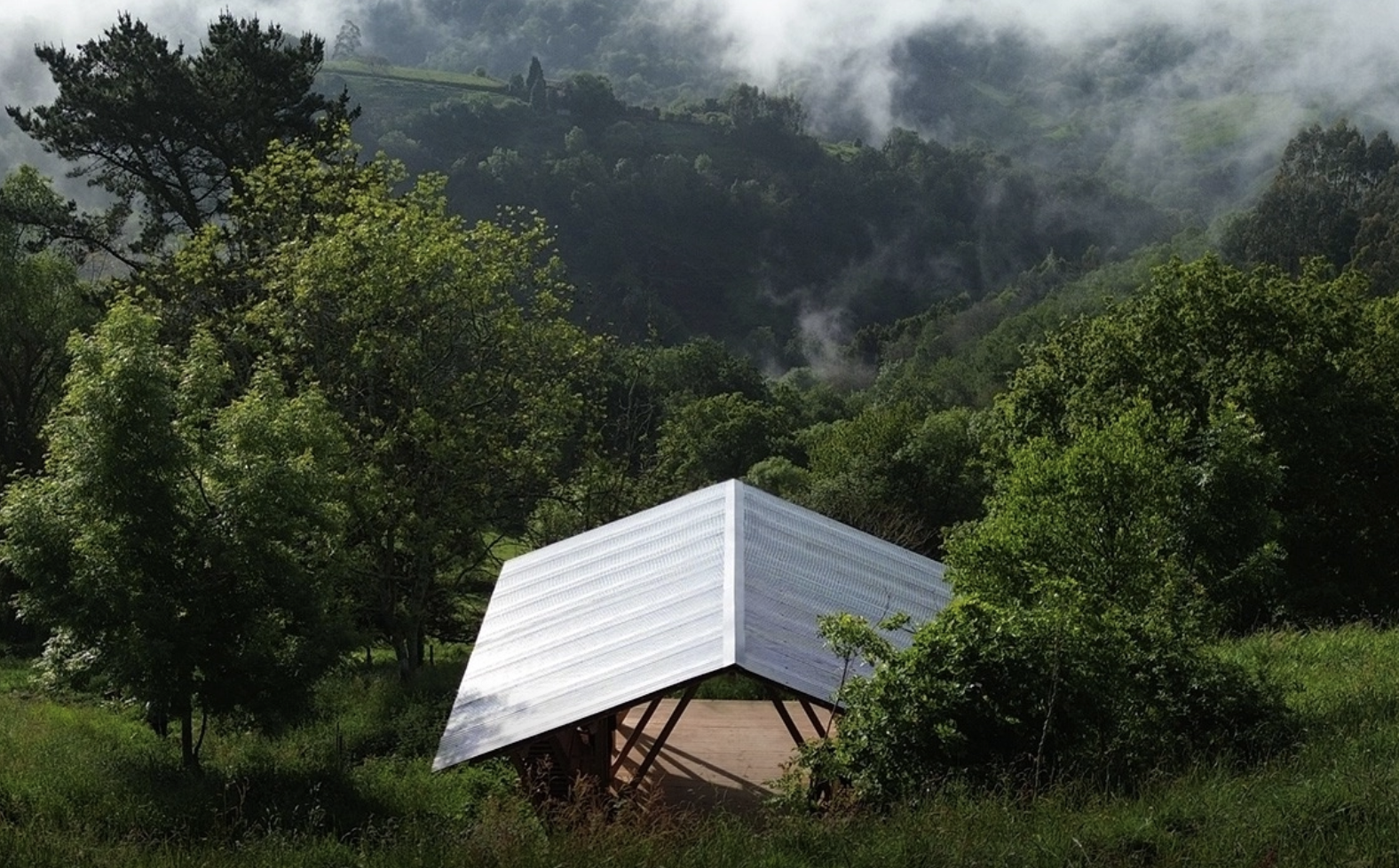
Pavilion at Foresta by Atelier Poem
illustration: Violeta Lopiz
context:
our collective subjectivities are shaped, on the one hand, by and within our very specific roots coming from Eastern and Western European heritage, and on the other — emerge in affinity with many other voices, informed by a wide range of knowledges, intuitions and influences, fluid and unfinished by nature.